You spend weeks planning your ultimate holiday, lost in a daydream of pristine beaches, luxurious accommodations, and world-class customer service. But upon arrival, reality sets in.The hotel room is cramped, the staff feel indifferent, and the “ocean view” is obstructed by a brand-new construction site.What a let-down…At La Veranda Resort, we put great emphasis on exceeding expectations. As one of Vietnam’s leading Phu Quoc island 5-star hotels, we offer an unparalleled experience of luxury, comfort, and authentic Vietnamese hospitality.Outmanoeuvre the ordinary and immerse yourself in a world of refined elegance; where every detail is designed to create truly unforgettable vacation experiences.
A Unique Blend of Luxury and Culture
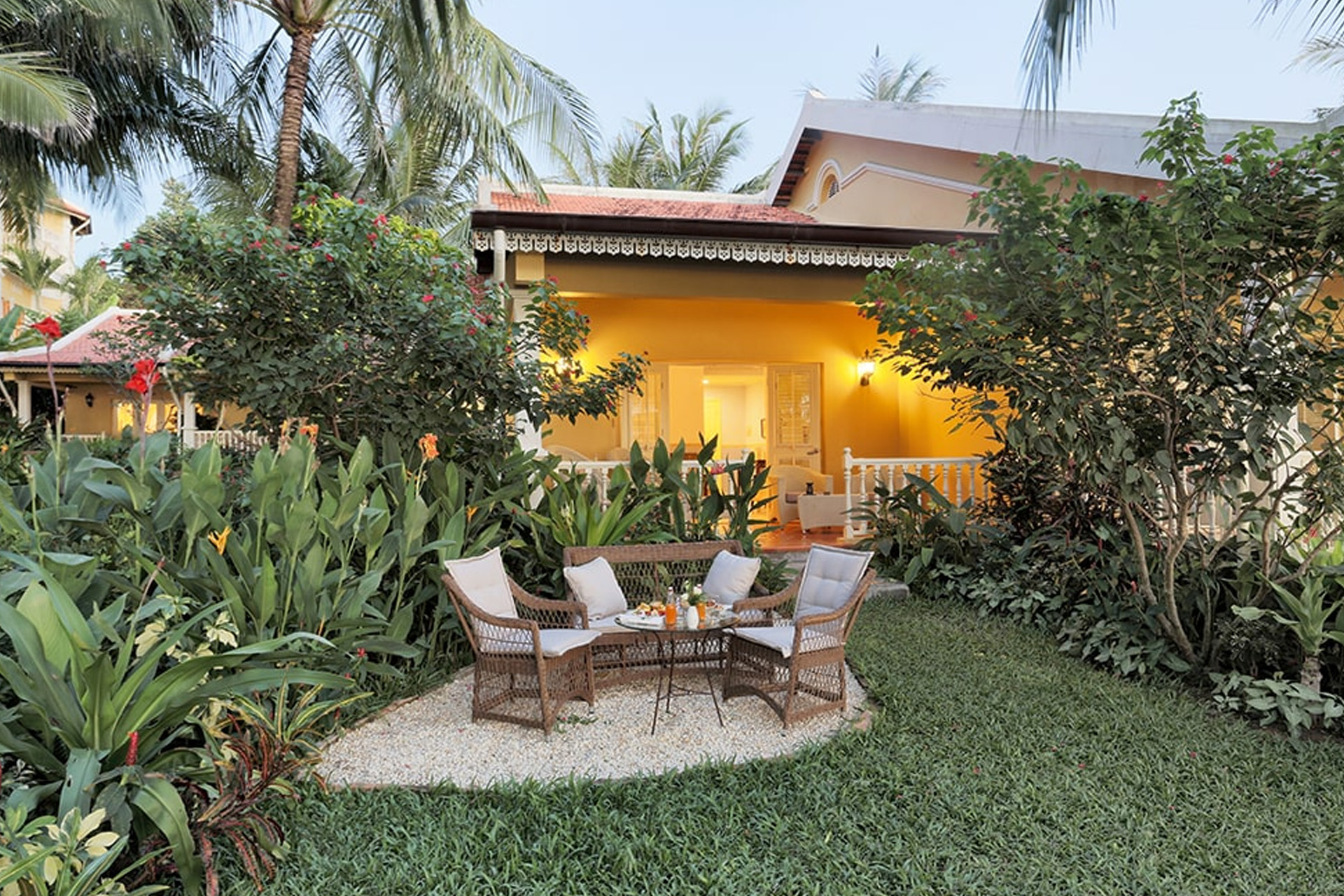
La Veranda isn’t your average 5-star hotel in Vietnam. We understand that having impeccable accommodation is not nearly enough. A resort needs charm. An atmosphere of authenticity. Which is why our luxury resort has been established as a destination where quality, class, and culture are intertwined seamlessly.Our 5-star hotel in Phu Quoc island is inspired by the charm of a 1920s French colonial mansion, featuring elegant architecture, gorgeous tropical gardens, and jaw-dropping beachfront views.Step into our exquisitely designedvillas in Phu Quoc and you’ll discover that ‘haven’ and ‘tranquillity’ are so much more than fancy words.Each villa is adorned with unique period collectables, offering a glimpse into Vietnam’s rich history and cultural heritage.Relax on your private balcony, soak up the sun beside the pool, or take a leisurely stroll along the pristine shores of our private beach.At La Veranda, every moment is an invitation to unwind and reconnect with yourself.
Amenities and Services at La Veranda
We are proud to offer such a diverse range of amenities and services, so your stay will be as comfortable and enjoyable as possible. Some of these include:
Gorgeous, Luxury Accommodation: Choose from a variety of beautifully appointed rooms, suites, and villas, each offering a unique blend of comfort and elegance.
Mighty Fine Dining: Indulge in exquisite culinary experiences at our renowned restaurants, featuring French, Vietnamese, and international cuisine.
Relaxing Spa Experiences: Rejuvenate your body and soul at ourspa in Phu Quoc, offering a range of traditional and modern treatments.
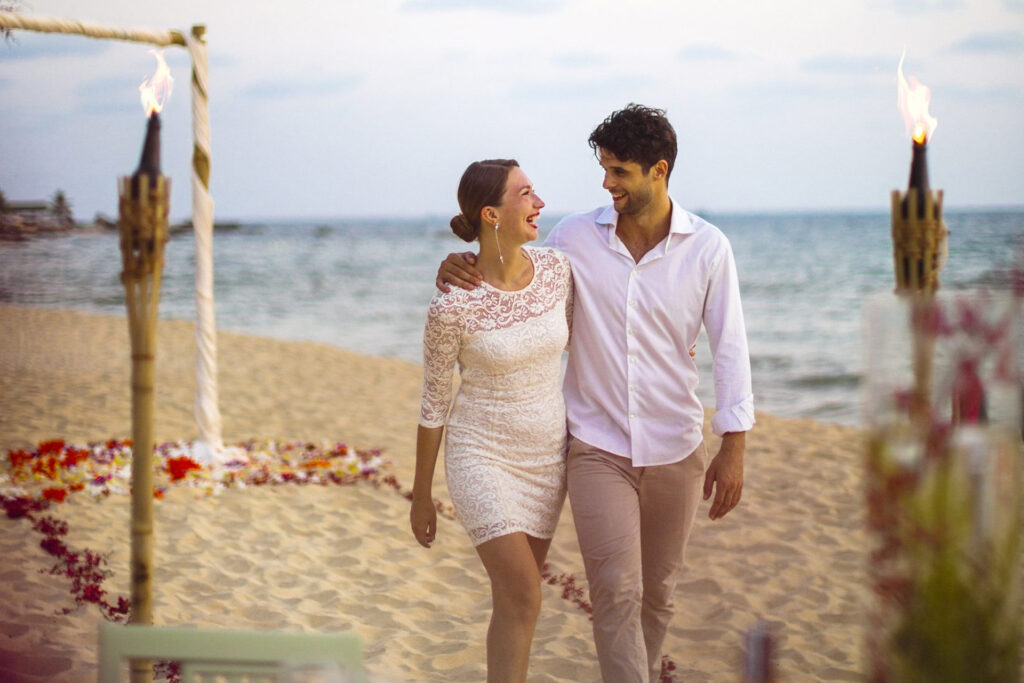
Romantic Getaways: Celebrate your love with aVietnam honeymoon holiday at La Veranda, complete with romantic dinners, couple’s spa treatments, and private beach picnics.
Exciting Activities: Explore the beauty of Phu Quoc with a wide variety of activities, including kayaking, snorkelling, cooking classes, island tours, and so much more.
Impeccable Service: Our dedicated staff is committed to providing a friendly, attentive, and personalised service, ensuring your every need is met.
A Snapshot of Top 5-Star Hotels in Vietnam
One of the many things that attracts countless tourists to Vietnam each year is the nation’s plethora of exceptional 5-star hotels, each offering an authentic experience of tropical luxury and world-renowned hospitality.In Hanoi, the Sofitel Legend Metropole Hanoi exudes old-world charm, while The Reverie Saigon in Ho Chi Minh City dazzles with its opulent décor.In Da Nang, the InterContinental Danang Sun Peninsula Resort offers far-reaching coastal views, and the Zannier Hotels Bãi San Hô in Phú Yên provides a secluded retreat amidst Vietnam’s famous natural beauty.While these hotels do indeed offer exceptional experiences, La Veranda stands apart as the only 5-star hotel in Phu Quoc Island that seamlessly blends French colonial elegance with authentic Vietnamese hospitality quite so masterfully.
The Ideal Destination for Relaxation and Exploration
La Veranda is ideally situated on the pristine shores of Phu Quoc, offering a tranquil escape from the hustle and bustle of everyday life in Vietnam’s mainland cities and—no doubt—at home. Our resort provides a sanctuary of peace and serenity, where you can unwind amidst lush tropical gardens, soak up the sun on our private beach, or simply relax at the poolside with a refreshing cocktail and a beaming smile you can’t seem to shake.For those seeking adventure, Phu Quoc offers a great many opportunities for exploration. Discover the island’s natural beauty with a hike through the national park, set off on a boat trip to nearby islands, or immerse yourself in the local culture at the bustling Duong Dong Market.At La Veranda, we believe in crafting guest experiences that go beyond the ordinary. Our dedicated team is passionate about sharing the beauty of Phu Quoc with our guests, offering insider tips and curated experiences to ensure you get the most out of your stay with us.
Book Your Luxurious Getaway at La Veranda Today!
Escape to a tropical paradise of unparalleled luxury and authentic Vietnamese hospitality at La Veranda Resort Phú Quốc.Book your stay today and experience the real magic of this remarkably charming 5-star resort in Vietnam.
Array
Find Out More
North of Vietnam
SUMMARY
Area: 3,324.92 sq km
Population: 6,448.900 (April 2011).
Administrative divisions:10 urban districts: Hoan Kiem, Ba Dinh, Dong Da, Hai Ba Trung, Tay Ho, Thanh Xuan, Cau Giay, Long Bien, Hoang Mai, Ha Dong and 1 town: Son Tay. 18 rural districts: Dong Anh, Soc Son, Thanh Tri, Tu Liem, Gia Lam (Hanoi); Ba Vi, Chuong My, Dan Phuong, Hoai Duc, My Duc, Phu Xuyen, PhucTho, Quoc Oai, Thach That, ThanhOai. Thuong Tin, UngHoa (former Ha Tay province) and Me Linh (a former district of Vinh Phuc province).
Ethnic groups: Viet (Kinh), Hoa, Muong, Tay and Dao.
Geography
– Hanoi is situated in Red River Delta, surrounded by Thai Nguyen to the north, Vinh Phuc and Ha Tay to the west and south, Bac Giang, Bac Ninh, and Hung Yen to the east and southwest.
Climate
– Hanoi has tropical monsoon temperature type: hot summer with high rainfall and cold winter, rare of rain. The city receives high rainfall and humidity.
History
Hanoi has a thousand year of history. It has been the political center of Vietnam since the 3rd century. Hanoi has undergone the up-and-down of the country during the northern invasion, civil war, French colonization, and Vietnam War.
Tourism
With high cultural values, Hanoi is an attractive destinations in the North. Millions of tourists coming to the city each year to see the ancient architectural works, the fascinating lakes, and other traditional villages there.
General information
Hanoi – the center of the North covers an area of 3,324.92 sp km, with the population of 6,448.900 (2011). The city consists of 10 urban districts which are Hoan Kiem, Ba Dinh, Dong Da, Hai Ba Trung, Tay Ho, Thanh Xuan, Cau Giay, Long Bien, Hoang Mai, and Ha Dong, and one town that is Son Tay. Regarding rural areas, there are 18 districts: Dong Anh, Thanh Tri, Soc Son, Tu Liem, Gia Lam (Hanoi); Ba Vi, Chuong My, Dan Phuong, Hoai Duc, My Duc, Phu Xuyen, Phuc Tho, Quoc Oai, Thach That, Thanh Oai, Thuong Tin, Ung Hoa (former districts of Ha Tay province); and Me Linh (a former district of VinhPhuc province). The Kinh people accounts for the largest proportion of the population, and the rest is the Hoa, Muong, Tay, and Dao people.
Hanoi is the capital of the Social Republic of Vietnam and the cultural, political, economic, and trading center of the nation.
Hanoi is well-known as a beautiful capital with high cultural value. The name “Hanoi” means “embraced by the river”, as the city is surrounded by the Red River. There still exists many elegant pieces of French architecture of which have a hundred years of history. Hanoi is among the greenest cities in Asia with several parks and lakes. The city has the bustling life at daytime; however, it is really tranquil by night.
Geography
Located in the Red River Delta, Hanoi is surrounded by Thai Nguyen to the north, Vinh Phuc and Ha Tay to the west and south, Bac Giang, Bac Ninh, and Hung Yen to the east and southwest.
The city is embraced by the Red River and its tributaries. There are also some rivers flowing through the city, namely Duong, Cau, Ca Lo, Day, Nhue, Tich, To Lich, and Kim Nguu.
Climate
Ha Noi climate belongs to tropical monsoon temperature type: hot summer with high rainfall and cold winter, rare of rain. The annual average temperature is 23.6⁰C. In the hot season, it might reach 40⁰C.
Hanoi receives a considerably high rainfall and humidity. The average annual humidity is 79% and rainfall is 1,800mm per year.
History
Hanoi’s history dates back to the very early day of Vietnam. In the 3rd century, the residing King Thuc chose Co Loa in Dong Anh District) as the capital of the Au Lac Nation – the first dynasty in Vietnam history. The city then was the core of resistance movements against the Northern invasions. Hanoi was selected as the chief city of Vietnam under the Northern domination.
In the autumn of 1010, Ly Thai To, the first king of the Ly Dynasty, transferred the capital from Hoa Lu (Capital of Vietnam in the Dinh Dynasty) to Dai La, thereby renaming it to “Thang Long”, which means “Soaring Dragon”. For almost a thousand years from 1010, the city was called Thang Long, then changed to Dong Do, Dong Kinh, and finally Hanoi in 1831. This sacred piece of land thereafter continued to be the theatre of many fateful events.
The city experienced rapid growth because of the expansion of foreign trade in the 17th and 18th centuries. In 1786, the Tay Son Troops lead by Quang Trung came from the south to fight against the dominators in the North and united the country. The capital was then moved to Hue, and remained throughout the Nguyen Dynasty. It was not until 1831 when Emperor Minh Mang established it as the capital of the Northern Province that Hanoi regained its former name. The arrival of the French invaders in 1888 resulted in the growth of the city. Many old boulevards, residences, and villas still remain today. Hanoi served as the capital of French Indochina from 1902 to 1953. In 1945, Ho Chi Minh gave the independence speech and declared Vietnam an independent nation in Ba Dinh Square. Since then, Hanoi is the capital of Vietnam.
Tourism
Despite the destruction of wars and natural disasters, Hanoi still well preserves several ancient architectural works. Some outstanding ones are the Old Quarter, One Pillar Pagoda, the Temple of Literature, Imperial Citadel of Thang Long, Hanoi Opera House, Uncle Ho’s Mausoleum, and more than 600 pagodas and temples.
There are lots of fascinating lakes in the city such as Hoan Kiem Lake, West Lake, and Truc Bach Lake, which are considered the lungs of the city. Hanoi is also home to many traditional handicraft villages, including Bat Trang Pottery Village, Ngu Xa Bronze Casting Village, and Yen Thai Glossy Silks.
With these valuable attractions, Hanoi has always been a huge appeal to tourists.
HIGHLIGHTS OF HANOI
Hanoi Old Quarter
The 36 streets of Hanoi Old Quarter bring tourists a closer look at Vietnamese life in the past. Since the 13th century, the Old Quarter has been the main streets of Hanoi, where shops gather. Each street, also called “hang”, is specified for one kind of products. Taking a tour around the Old Quarter, visitors will not only see the western influences in architecture but they also acknowledge the tradition and customs of Hanoi people.
Address: Hoan Kiem District
Entrance Fee: Free
The Ancient House
This 100-year-old house is located at 88 Ma May Street, within the Old Quarter. The house is a typical “tube house” which is 2 meters wide and 60 meters long with open yards between rooms. The house is arranged strictly in accordance with “FengShui” rules and is vividly decorated in a Eastern traditional style.
Address: 87 Ma May Street, Hoan Kiem District
Opening hours: Everyday, 8.30 am – 4.00 pm
Entrance fee: Around 20.000VND/guest
Ho Chi Minh Mausoleum
Uncle Ho’s Mausoleum is where the embalmed body of the founder of Vietnam stays. He is the great politician, author, and philosopher of Vietnam in particular and the World in general. The life of Ho Chi Minh has inspired millions of people on Earth. Another worth-visiting place in this relic is the Uncle Ho’s house on stilts, which used to be the place where Ho Chi Minh lived and worked. To visit the Mausoleum, tourists are required to dress formally and keep silent. Also, taking photos inside the Mausoleum is banned.
Address: Hung Vuong Street, Ba Dinh District
Opening hour: Every day except Monday and Friday, 7.30 am – 10.30 am
Entrance fee: Free
Recommend: Dress formerly. Avoid wearing shorts, singlets, etc.
Temple of Literature
The thousand-year-old Temple of Literature was the first universities in Vietnam and was used as the school for the sons of the mandarin class. The complex includes five separate courtyards with different paths that would originally have been reserved for the Emperor and his mandarins and highlighted by the Khue Van Pavilion. Another notable feature of the temple is the steles. From 1442 to 1779, hundreds of stone tablets, or steles were erected to record the names and achievements of the graduates. Eighty-two of the steles remain today and are the most valuable artifacts at the temple. Visiting the Temple, travelers can see the importance of education in Vietnam society.
Address: 58 Quoc Tu Giam, Dong Da District
Opening hour: Everyday, 8.00 am – 5:30 pm
Entrance fee: Around VND 20.000/guest
Recommend: Dress formerly. Avoid wearing shorts, singlets, etc.
One Pillar Pagoda
One Pillar Pagoda is one of the landmarks of Hanoi. One Pillar Pagoda was built in 1049 in honors of the Goddess of Mercy. The pillar was destroyed in 1954, but it was quickly rebuilt. The pagoda looks like a lotus flower emerging from the water. It is one of the Buddhism belief. Similar to the Mausoleum, the Pagoda is not open for tourism in every Monday and Friday.
Address: Hung Vuong Street, Ba Dinh District
Opening hour: 7.30 am – 10.30 am everyday except Monday and Friday
Entrance fee: Free
Recommend: Dress formerly. Avoid wearing shorts, singlets, etc.
Hoan Kiem Lake
Considered as the heart of Hanoi, Hoan Kiem Lake is a small but beautiful lake located close to the Old Quarter. Legend has it that a giant turtle presented Emperor Le Loi with a magic sword with which to defeat Chinese invaders. After the victory in the battle, the King returned the sword to the turtle on this lake. Hoan Kiem Lake now is an important historical relic of Hanoi, which welcomes millions of tourists each year. Also, it is the place for locals to gather and chat.
Address: DinhTien Hoang, HoanKiem District
Opening hour: 7.00 am – 6.00 pm everyday
Entrance fee: Around 20.000VND/guest
Recommend: Dress formerly. Avoid wearing shorts, singlets, etc.
Quan Thanh Temple
The Temple was built during the reign of King Ly Thai To (1010-1028) – the first Emperor in the Ly Dynasty. Quan Thanh Temple honors Saint Tran Vu, who helped King An Duong Vuong chase demons away while Co Loa Citadel was constructed. The central feature of the temple is a giant, black, bronze statue of Tran Vu cast in 1667.
Address: Thanh Nien Street, Ba Dinh District
Opening hour: Every day, 5.00 am – 7.00 pm
Entrance fee: Around 10,000VND
Tran Quoc Pagoda
Tran Quoc Pagoda is the oldest pagoda in Hanoi with its history line of more than 1,500 years. The architecture of this Buddhist center is a subtle combination between the solemn and beautiful landscape on the peaceful and quiet ambiance of West Lake’s surface. Not only is it a popular place for locals, the pagoda is famous with foreign tourists.
Address: Thanh Nien Street, Ba Dinh District
Opening hour: Every day, 7.00 am – 6.00 pm
Entrance fee: free
Water Puppet Theatre
Water puppetry is a significant art form of Vietnam, which combines traditional music, fireworks, and elaborate puppets floating elegantly on the water. This game dates back to the 10th century and was held on lakes or ponds. Today, visitors coming to the Water Puppet Theatre can learn about the Vietnamese legends and customs.
Address: 57b Dinh Tien Hoang Street, HoanKiem District
Show schedule: Every day at 3.30 pm – 5.00 pm – 6.30 pm – 8.00 pm – 9.15 pm and Sunday at 9.30 am
Ticket fee: 60.000 – 100.000 VND
Website: www.thanglongwaterpuppet.org
Museum of Ethnology
The Museum of Ethnology is where foreign visitors can take a glimpse at the distinctive features of Vietnamese ethnic groups. The museum displays the characteristics of 54 groups. It is a great place to learn about the tradition and legends of Vietnamese ethnic groups.
Address: Nguyen Van Huyen Street, Nghia Do, CauGiay District
Opening hour: Every day, 8.30 am – 5.30 pm, except Monday
Entrance fee: Adult: Around 25,000VND, Child: around 5,000VND, Free admission to child under 6 years-old
Bat Trang Ceramic Village
Bat Trang is a small traditional village located about 13 km to the southeast of Hanoi. The village is renowned for its ceramic and pottery products of high quality. Recently learning to make ceramic products has become one of the top things to do in Hanoi.
In documents, the history of Bat Trang Village dates back to the 15th or the 16th century; however, local people believe the village appeared much earlier. Legend has it that during Ly Dynasty, scholars who had been sent to China came back to Bat Trang Village to teach locals how to make ceramic products. After times, the village has gradually transferred from a normal ceramic village into a famous center. Pottery products from Bat Trang have been widely used as household furniture in Vietnam and other countries.
Travelling to Bat Trang, visitors are enabled to understand more about the historical and traditional values of the village as well as its products. Also, it is interesting to try making a ceramic product by yourself.
Address: Hamlet Bat Trang, Gia Lam District
Opening hour: Every day, 8.00 am – 5.00 pm
Entrance fee: Free
TRANSPORTATION
Hanoi is an important hub of Vietnam and Asia. Three main ways to connect the city with other regions are by air, by road, and by train.
Noi Bai International Airport, which is situated just 35 km from the city center, is the biggest airport in Vietnam with several international and domestic routes. It is the safest means of transportation.
Regarding traveling by road, Hanoi is the center of the North, which is 93km from Ninh Binh, 102km from Haiphong, 153km from Thanh Hoa, 151km from Ha Long, 474km from Dien Bien Phu, 658km from Hue, 763km from Da Nang, and 1,710km from Ho Chi Minh City. Please note that going a long journey by bus is not a suitable option for the elders and those with ill health.
Last but not least, Hanoi is the starting point of the railway routes leading to different parts of the country. Train is exceptionally perfect for traveling to places like Sapa, which are far away from the airport, and the roads are bumpy.
Visitors to Phu Quoc looking to access healthcare while staying at La Veranda Resort Phu Quoc have two main options on the island: public or private.
The island’s main general hospital is the Benh Vien Da Khoa Phu Quoc (128 Street 30 Thang 4, tel: +84 77 3846 074). The hospital is equipped to deal with most common health concerns, however, for more complicated issues (eg. requiring surgery or full emergency), it is advised to fly to Ho Chi Minh City or head to the island’s private hospital, Vinmec. As with most hospitals in Vietnam, be prepared to pay cash for your visit, with a large up-front deposit in case of a protracted stay or for expensive procedures (eg. surgery). Expect standards to be lower than in international-standard hospitals.
There is also a smaller, more limited public hospital near the town of An Thoi in the island’s south, approximately 200 m from the An Thoi market.
The island’s only private hospital is the large, 6-storey Vinmec International Hospital, located within the Phu Quoc Vinpearl Resort to the island’s northwest. Open in June 2015, the 150-bed hospital is part of the Vinmec chain of hospitals with locations in places like Saigon, Nha Trang, Ha Long, etc. Facilities include 3 Operation Rooms, 2 Delivery Rooms, 6 Emergency Beds, 5 Intensive-care Beds and 2 Newborn Intensive-care Beds. In-patients can choose between standard, VIP or Presidential rooms.
The hospital offers services in 10 specialties, including:
– Emergency Care (24/7)
– Outpatient Services
– General Surgery including hepatic biliary surgery, gastrointestinal surgery, urology and orthopedics
– Obstetrics / Gynecology
– Pediatrics
– Anesthetics
– Gastrointestinal Endoscopy
– Diagnostic Imaging
Doctors are mostly from Vietnam, although there are a few foreign doctors as well. Many of the doctors speak good English. The feedback from foreign patients has been overwhelmingly positive.
Fees start from VND 300,000 (~USD 15) for emergency examinations or examinations with a General Practitioner (not including medication). Expect to pay around USD 100 for a consultation, x-ray and medication. Ambulance service is also available. Certain insurance providers are accepted, otherwise the hospital accepts cash and credit cards.
The town of Duong Dong has two major dental clinics and a host of small pharmacies.
The emergency number to call for an ambulance in Vietnam is 115.
Followings are some recommended hotels and beach resorts:
InterContinental (IHG)
InterContinental Hotels Group holds a number of luxury hotels in Vietnam. It manages eight luxury hotels and resorts in the prime locations of the three major cities: Hanoi, Da Nang and Ho Chi Minh City. InterContinental brand has 6 hotels including Danang Sun Peninsula Resort, Hanoi Westlake, Hanoi Landmark 72, Asiana Saigon, Asiana Saigon Residences, and Phu Quoc Resort.
Regarding Crowne Plaza brand, there are The Crowne Plaza Danang, West Hanoi, West Hanoi Residences, and Crowne Plaza Phu Quoc. They are more modest than the InterContinental ones.
VinPearl (VinGroup)
VinPearl is a system of hotels with 5-star services and facilities in beautiful beaches of Vietnam.
Starting with Vinpearl Nha Trang, Vinpearl has developed into a chain of luxury hotels and beach resorts throughout Vietnam. Vinpearl is currently developing its tourism and hospitality products with Vinpearl Resort (five-star standard), Vinpearl Luxury (over 5 stars), and Vinpearl Resort & Villas. List of Vinpearl Resorts is as follows:
– Nha Trang: Vinpearl Nha Trang Resort, Vinpearl Nha Trang Bay Resort & Villas, Vinpearl Luxury Nha Trang, Vinpearl Golf Land Resort & Villas, and Vinpearl Nha Trang Long Beach Villas.
– Phu Quoc: Vinpearl Phu Quoc Resort, Vinpearl Phu Quoc Resort & Golf, Vinpearl Phu Quoc Ocean Resort & Villas, Vinpearl Phu Quoc Paradise Resort & Villas, and Vin Oasis Phu Quoc.
– Da Nang: Vinpearl Da Nang Resort & Villas, Vinpearl Da Nang Ocean Resort & Villas, and Vinpearl Hoi An Resort & Villas
– Ha Long: Vinpearl Hạ Long Bay Resort
– Nghe An: Vinpearl Nghe An
– Ha Tinh: Vinpearl Hà Tĩnh Ocean Villas
FLC Resorts (FLC)
Another big Vietnamese corporation with a series of luxury hotels and resorts is FLC. This group has resorts at the most beautiful beaches, namely Halong (FLC Ha Long), Quy Nhon (FLC Quy Nhon and FLC Sea Tower Quy Nhon), Sam Son (FLC Sam Son Beach and Golf Resort, FLC Luxury Sam Son Resort), and Quang Binh (FLC Quang Binh).
La Veranda (MGallery Hotel Collection)
La Veranda looks like a French mansion on the beach. It is among the top resorts in the beautiful island of Phu Quoc, Vietnam. With high-end services and perfect natural settings, the resort offers unforgettable moments to tourists, especially for those who are on honeymoon or family holidays. The majestic beauty of Phu Quoc Beach makes it even more romantic.

Find Out More
North of Vietnam
Phu Quoc Health Care
Vietnam Hotels & Beach Resorts