Is Vietnam on your travel bucket list? With its boundless white sand beaches and lush forests, Phú Quốc, a charming island in Vietnam, offers a fascinating crossover of adventure and restoration.
Imagine spending your days lounging in the sun, relishing delicious seafood, and exploring nearby islands. When you stay at La Veranda Resort, you get a front row seat to Phú Quốc’s sublime attractions.
Our luxury accommodations offer captivating views that whisk you away into a paradise of relaxation. Each aspect is wonderfully designed to release your stress and allow you to truly enjoy a blissful vacation.
What Sets La Veranda Resorts’ Rooms Apart?
The moment you walk into our resort, you’ll feel a wave of relaxation in the air. Get ready to immerse yourself in aluxury resort in Phú Quốcand discover its unique offerings, including:
Captivating views:
Our spacious rooms are surrounded by natural beauty. Envision yourself waking up to the soothing sounds of the crashing waves, soaking in the salty air, and admiring the clear blue skies from your room. This dreamlike coastal escape is waiting for you at La Veranda Resort!
Stylish designs:
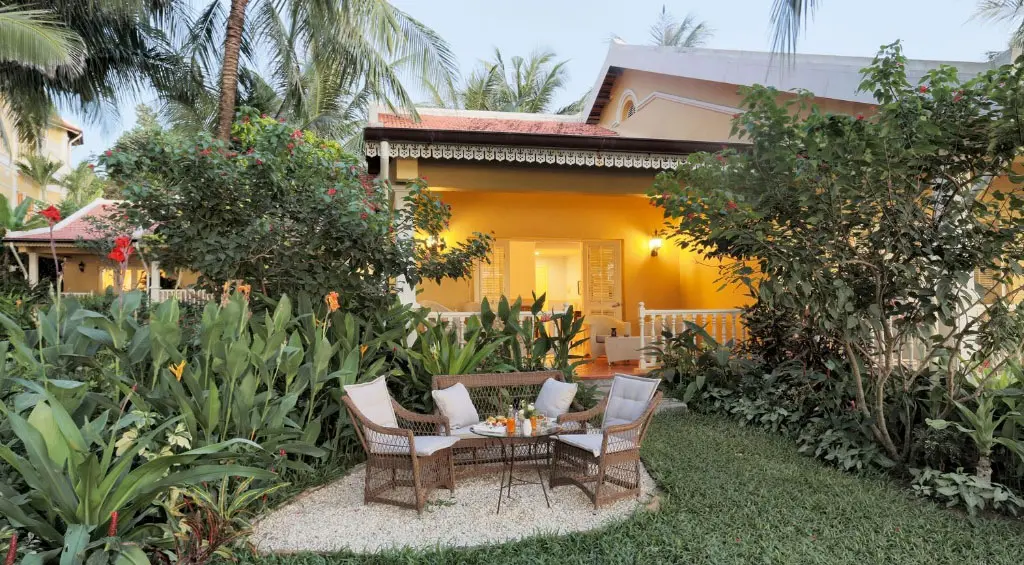
Our elegant rooms are a fusion of the French Colonial Era and classic Vietnamese heritage, transporting you to a world of romance and connection.
Comfortable stay:
Enjoy a restful sleep on our soft bedding and cosy ambience. Our rooms gently invite you into a sweet escape, offering a picture-perfect glimpse of Phú Quốc’s pearl island.
Feeling of home:
Beyond its beachfront paradise, our services embody the warmth of Vietnamese hospitality, a feeling you’ll discover as you unwind in your pristine room.
Wake Up to Paradise at La Veranda Resort
Every seasoned traveller knows that a view can make or break your vacation. Whether it’s admiring the sunset hues from your balcony, sipping Vietnamese coffee, or breathing in the cool breeze, La Veranda Resort offers the ideal backdrop.
From our La Veranda Ocean Villa or Deluxe Garden, each option encapsulates its own version of paradise. Here, you’ll be washed over by a calm serenity in the tropical paradise of Phú Quốc while enjoying the comfort of our opulent rooms.
If you prefer to get your dopamine from the stillness of the ocean or the crisp green essence of nature, our best luxury accommodations provides you with both.
Family-Friendly and Romantic Stays
Phú Quốc is the perfect stage for any romantic getaway or a spontaneous family vacation.
Our selection of luxury accommodation ensures that families have more than enough space to enjoy their vacation without feeling constricted, and couples have the privacy to connect with each other in one of our stunning villas.
No matter the occasion, leave it to La Veranda to personalise your experience with our keen attention to detail and welcoming service.
Why La Veranda Resorts Outshines Other Luxury Options in Phu Quoc
All luxury resorts may offer unparalleled comfort and world-class amenities, but La Veranda Resort paints an immersive experience through a few key elements:
Personalised experience:
Indulge in a world of serenity and pamper yourself with our personalised wellness services at TĨNH Wellness, where your relaxation is our priority. We also personalise your stay by offering an array of international cuisines to elevate your dining experience.
Cultural immersion:
At La Veranda Resort, each luxury accommodation is intentionally designed with a blend of colonial architecture and Vietnamese heritage. From high ceilings and dark mahogany furniture to hand-painted mosaic tiles, you can immerse yourself in this timeless beauty.
Luxury amenities:
Facing the clear blue waters of Phú Quốc, La Veranda Resort uses its unique landscapes to its advantage. Our balconies beckon you to connect with nature from the comfort of your room and experience Vietnam’s colourful sunsets. With access to a private beach, enticing tours, and even personalised intimate dinners, we create a place of myriad opportunities and entertainment for you.
Book Your Dream Stay at La Veranda Resorts Today!
Phú Quốc is home to some of the most beautiful beaches in the world. Whether you enjoy spending time near the ocean or simply relaxing in a serene atmosphere, there’s no place more inviting than Phú Quốc’s idyllic shores.
At La Veranda Resort, our luxury accommodations provide a lavish stay with all the comforts you need and beyond. Explore our elegantly designed rooms and suites and experience luxury at our oceanfront resort at your convenience.
Not only will you witness the beauty of Phú Quốc through the lens of La Veranda Resort, but your adventure will unfold right in front of you, through our personalised experiences and special offers.
Are you ready to uncover the unique faces of the enticing
Array
Find Out More
A Dream Wedding in Vietnam: Why La Veranda is the Perfect Destination for Your Big Day
Imagine exchanging vows on a pristine beach in paradise, the gentle waves whispering blessings as you embark on your journey of lifelong commitment. Picture a celebration infused with the vibrant colours and rich traditions of Vietnam, creating an unforgettable experience for you and your loved ones…
At La Veranda Resort in Phú Quốc, we transform dream weddings in Vietnam into reality. Nestled amidst lush tropical gardens and overlooking the turquoise waters of the Gulf of Thailand, our resort offers an idyllic setting for your special day. With our dedicated team of wedding planners, bespoke services, and exquisite venues, we'll ensure your Vietnam wedding is as unique and unforgettable as your love story.
Why Vietnam is an Exceptional Wedding Destination
Vietnam, with its captivating blend of natural beauty, cultural richness, and warm hospitality, is an enchanting destination for romantic weddings. If you would like to spend your wedding day in paradise with all of your favourite people surrounding you, Vietnam is the place! Here’s why:
Scenic Landscapes: From pristine beaches and verdant rice paddies, to majestic mountains and bustling cities, Vietnam offers a diverse range of backdrops for your dream wedding.
Cultural Charm: Embrace the rich traditions and customs of Vietnam, adding a touch of authenticity and uniqueness to your celebration.
Warm Hospitality: Experience the genuine warmth and hospitality of the Vietnamese people, ensuring a welcoming and memorable experience for you and your guests.
Gastronomic Delights: Tantalise your taste buds with the vibrant flavours of Vietnamese cuisine at La Veranda’s restaurants, from fragrant pho and fresh spring rolls, to aromatic curries and delectable seafood.
Affordable Luxury: Enjoy world-class amenities and services at a fraction of the cost compared to other popular wedding destinations.
The Ultimate Beachfront Venue for Intimate Weddings at La Veranda
Our villa resort in Phú Quốc offers the perfect setting for an intimate beachfront wedding.
Exchange vows on the soft sands, surrounded by the soothing sounds of the ocean and the gentle breeze. Our dedicated team will transform the beach into a magical haven, with elegant décor, personalised touches, and an impeccable service.
Imagine:
A flower-adorned archway framing your silhouette against the setting sun.
The soft sand cushioning your feet as you exchange vows.
The gentle sea breeze carrying your promises of forever.
A candlelit reception under the stars, with the sound of waves serenading your celebration.
Customisable Vietnam Wedding Packages for Every Couple
We understand that every love story is unique. That's why we offer a range of customisable Vietnam wedding packages to suit your individual preferences and needs.
Whether you envision a traditional Vietnamese ceremony, a Western-style celebration, or a fusion of both, our team will work closely with you to create a bespoke experience that reflects your vision.
Stress-Free Planning with Professional Coordination
Planning a wedding, especially a destination wedding in Vietnam, can be a daunting task.
At La Veranda, we take the stress out of the process with our dedicated wedding planning team. Our experienced coordinators will handle every detail, from venue selection and décor, to catering and entertainment, ensuring a seamless and unforgettable celebration.
Relax and enjoy your special day, knowing that every aspect is in expert hands.
Blending Local Culture with Personal Touches
At La Veranda, we believe in creating weddings that are both unique and authentic. We encourage couples to incorporate elements of Vietnamese culture and traditions into their celebrations, adding a touch of local charm and creating a truly memorable experience.
Whether it's a traditional tea ceremony, a vibrant Ao Dai dress, or a performance of traditional Vietnamese music, we'll help you weave cultural elements into your wedding, creating a beautiful fusion of heritage and personal style.
Plan Your Perfect Wedding at La Veranda Resort
Embrace the romance and enchantment of a destination wedding in Vietnam. Contact La Veranda Resort today to begin planning your dream Vietnam wedding. Our team is ready to assist you in creating a celebration that effortlessly tells your unique love story.
Experience the magic of Phú Quốc island, where natural beauty, cultural richness, and exceptional hospitality converge to create an unforgettable, romantic wedding experience!
Enjoy These Exceptional Activities at Phu Quoc’s Luxury Resorts
Phu Quoc Island, a pearl nestled in the Gulf of Thailand, beckons travellers with its pristine beaches, turquoise waters, and lush landscapes. To elevate your Vietnamese vacation experience, consider indulging in the unparalleled luxury offered by Phu Quoc's luxury resorts. These havens of tranquillity boast a curated selection of activities designed to pamper your senses and create wonderful, long-lasting memories…
Indulge in Luxurious Spa Treatments
Escape the everyday mundanity and embark on a journey of rejuvenation at the world-class spas housed within Phu Quoc's luxury resorts. These sanctuaries of serenity offer a comprehensive menu of treatments, incorporating traditional Vietnamese techniques with modern innovations.
Unwind with a soothing massage using locally sourced ingredients like lemongrass and coconut oil, or rejuvenate your skin with a revitalising facial.
Many spas also feature hydrotherapy facilities like saunas and steam rooms, further enhancing your relaxation experience!
Pro Tip: Consider booking a couples' massage or a spa package for an extra touch of luxury and romance.
Thrilling Water Sports and Beach Activities
Phu Quoc's pristine coastline provides the perfect playground for water-babies and outdoor enthusiasts. Luxury beachfront resorts in Phu Quoc often partner with local activity providers, offering guests a variety of options to explore the Insta-worthy turquoise waters.
Kayaking and stand-up paddle boarding are fantastic ways to discover hidden coves and secluded beaches at your own pace.
For an adrenaline rush, try jet skiing or parasailing, soaking up breath-taking views of the island from a unique perspective.
Many resorts in Phu Quoc also boast private beachfront areas with sun loungers and water sports equipment available for rent, allowing you to unwind and soak up the sun in luxurious comfort.
Savour Gourmet Dining at La Veranda
Phu Quoc's culinary scene is a delightful fusion of Vietnamese flavours and fresh, locally sourced ingredients. Luxury resorts in Phu Quoc like La Veranda take this culinary adventure to a whole new level. Expect to find a diverse range of dining options, from poolside bars serving refreshing cocktails and light bites, to fine-dining restaurants showcasing exquisite Vietnamese and international cuisine.
Expert chefs utilise the freshest seasonal ingredients to create gourmet masterpieces, sure to tantalise even the most discerning palate. Many restaurants also offer stunning oceanfront views, providing a truly unforgettable dining experience.
Explore Cultural and Recreational Activities
Phu Quoc offers a surprising wealth of cultural and recreational activities beyond the resort. Many luxury resorts can arrange excursions to explore the island's rich history and natural beauty.
Delve into Vietnam's fascinating past at the Dinh Cau Night Market, or visit the impressive Phu Quoc Prison, a haunting reminder of the island's turbulent past.
Nature lovers can embark on a thrilling hike through the Phu Quoc National Park, home to diverse ecosystems and awe-inspiring waterfalls.
For a unique cultural experience, explore the vibrant local fishing villages and learn about traditional fishing techniques.
Enjoy Exclusive Amenities and Services
Phu Quoc accommodation goes beyond exceptional rooms and suites; these havens of hospitality provide a range of exclusive amenities and services designed to cater to your every whim.
Imagine refreshing yourself in a sparkling infinity pool overlooking the ocean, or participating in complimentary yoga classes led by experienced instructors.
Many resorts also offer children's clubs, ensuring fun and engaging activities for younger guests while parents enjoy some well-deserved relaxation!
Personalised butler services can further elevate your experience, attending to your every need and ensuring a truly unforgettable stay.
Experience Unmatched Luxury at La Veranda
La Veranda luxury resort & spa, a premier resort in Phu Quoc, exemplifies the pinnacle of luxury hospitality.
Imagine stepping into a haven of tranquillity, where every detail is meticulously designed to create a sense of pampered indulgence…
From the exquisite beachfront bungalows, to the world-class luxury resort & spa: Tinh Wellness, La Veranda offers an unparalleled selection of activities and amenities.
Indulge in rejuvenating spa treatments, embark on thrilling water adventures, or savour gourmet dining experiences showcasing the finest Vietnamese cuisine.
Explore the island's rich cultural heritage or simply relax on the pristine beachfront, soaking up the warm sunshine.
Ready to create unforgettable memories in paradise? Visit La Veranda's website today to explore our 5-star Phu Quoc resort and book your dream getaway!
Experience the unparalleled service, world-class amenities, and exceptional activities that await you at La Veranda.
Tinh Wellness: A Luxury Spa Retreat for Ultimate Relaxation
Escape to a world of unparalleled tranquillity and rejuvenation at TĨNH Wellness Sanctuary, a luxury resort & spa nestled within the lush tropical paradise of La Veranda Resort, Phu Quoc.
This haven of peace offers a truly immersive wellness experience, where you can reconnect with your inner self and embrace the healing power of nature.
With its spacious design, serene atmosphere, and a diverse range of holistic treatments, TĨNH wellness retreat in Phu Quoc provides the perfect setting to unwind, de-stress, and rediscover your well-being.
Whether you're seeking a detox retreat, a revitalising luxury resort spa escape, or simply a tranquil space to recharge, TĨNH promises an unforgettable journey to wellness…
Four Foundations of Wellness
At TĨNH luxury resort & spa, wellness is more than just a collection of treatments; it's a holistic philosophy that guides every aspect of your experience.
Drawing inspiration from ancient wisdom and modern practices, TĨNH has created a unique approach to wellness that focuses on the following four key foundations:
Holistic Approach
TĨNH believes in treating the whole person – mind, body, and spirit. Their wellness programmes combine traditional therapies with modern techniques to create a truly holistic experience.
From soothing massages and invigorating body scrubs, to mindfulness practices and healthy cuisine, every element is carefully curated to promote balance and harmony.
Luxurious Wellness Rooms
Step into a world of serenity in TĨNH's beautifully appointed wellness rooms. Designed with your comfort in mind, these tranquil spaces offer a haven of relaxation.
Each room is equipped with luxurious amenities and features calming décor to enhance your experience.
Reconnect with Nature
Embrace the healing power of nature at TĨNH luxury spa hotel. The sanctuary is designed to seamlessly blend with its natural surroundings, allowing you to reconnect with the outdoors.
Enjoy detox yoga sessions on the beach, meditate in the tranquil gardens, or simply soak up the beauty of the tropical landscape.
Transformative Wellness
TĨNH's wellness offerings are designed to be more than just pampering; they're transformative experiences that can have a lasting impact on your well-being.
Whether you're seeking to de-stress, detoxify, or simply revitalise your body and mind, TĨNH's expert therapists will guide you on a personalised journey to wellness.
Six Transformative Journeys to Wellness
TĨNH luxury resort & spa offers six unique wellness journeys, each tailored to address specific needs and goals. These journeys combine a variety of treatments and activities to create a holistic and transformative experience…
Back to Wellness
This journey focuses on restoring balance and harmony to your body and mind. It includes a combination of massages, body scrubs, and mindfulness practices to help you successfully de-stress and reconnect with your inner self.
Detox
Purify your body and revitalise your system with this detoxifying journey. It combines cleansing treatments, healthy cuisine, and fitness activities like detox yoga to eliminate toxins and boost your energy levels.
Burnout Recovery
If you're feeling overwhelmed and exhausted, this journey is designed to help you recover from burnout. It includes relaxing massages, stress-reducing therapies, and mindfulness practices to restore your energy and promote emotional well-being.
Relief from Tension
Release tension and soothe aching muscles with this therapeutic journey. It combines targeted massages, stretching exercises, and hydrotherapy treatments to alleviate pain and promote relaxation.
Spa Indulgence
Indulge in a luxurious spa hotel experience with this pampering journey. It includes a selection of TĨNH's signature treatments, such as facials, body wraps, and aromatherapy massages, to leave you feeling refreshed and rejuvenated.
Beauty & Vitality
Enhance your natural beauty and boost your vitality with this rejuvenating journey. It combines beauty treatments, such as facials and body scrubs, with wellness therapies to promote radiant skin and improve your overall well-being.
Planning Your Spa Experience
Scheduling and Appointments
To ensure that you have the best possible experience at TĨNH’s luxury resort & spa, it's recommended that you book your treatments in advance.
You can easily make appointments via our website, by phone, or through the resort's concierge service.
Spa Etiquette and Considerations
We kindly ask that when using our spa, that you refrain from talking loudly or using your mobile phone. These rules are designed to enrich your spa experience – as well as others’.
To make the most of your spa experience, you can familiarise yourself with the spa etiquette guidelines in our Spa Menu. These guidelines cover a number of aspects such as arrival time, our cancellations policy, recommended attire, and certain health concerns to be aware of.
Experience the ultimate in luxury and wellness at TĨNH luxury resort & spa.
Follow the link for more information about La Veranda Resort and to explore our range of luxurious accommodations, including our stunning 5-star hotels on Phu Quoc Island.
Book your escape today and embark on a transformative journey to relaxation and rejuvenation!


Find Out More
A Dream Wedding in Vietnam: Why La Veranda is the Perfect Destination for Your Big Day
Enjoy These Exceptional Activities at Phu Quoc’s Luxury Resorts
Tinh Wellness: A Luxury Spa Retreat for Ultimate Relaxation