There’s something instinctively calming about waking to the sound of waves and breathing in salt-tinged air. A seaside escape invites the body to soften and the mind to slow. When paired with a thoughtfully designed luxury hotel spa, this setting becomes a powerful space for renewal. At a refined coastal resort, wellness isn’t scheduled. It unfolds naturally, shaped by light, rhythm, and a sense of ease that encourages genuine rest from the moment you arrive.
Why Seaside Locations Enhance Wellness and Relaxation
Coastal environments have long been associated with well-being, and for good reason. Sea air is rich and invigorating, while natural light supports healthy sleep patterns and daily rhythms. The steady movement of the ocean creates a soothing backdrop that gently reduces mental noise.
Life by the sea tends to move at a slower pace, encouraging presence rather than productivity. Without constant stimulation, the nervous system has time to reset. This combination of physical and psychological benefits makes seaside destinations especially effective for stress reduction, mental clarity, and emotional balance.
The Role of a Luxury Hotel Spa in Holistic Wellbeing
A well-considered spa experience adds structure and intention to natural relaxation. Within a refined luxury hotel spa, treatments are designed to address both physical tension and mental fatigue. Skilled therapists work intuitively, adapting each session to individual needs rather than following rigid routines.
At a considered hotel spa in Vietnam, this approach often reflects a deeper respect for balance and restoration. When spa philosophy is aligned with nature and calm surroundings, the result feels like a true holistic wellness retreat, where care extends beyond the treatment room into the rhythm of the entire stay.
Gentle sea breezes, warm light, and attentive care combine to create moments where restoration feels effortless, lasting well beyond departure.
Wellness Retreat Experiences in Phu Quoc
Phu Quoc’s peaceful character makes it particularly suited to wellness-focused travel. The island’s gentle pace, tropical landscape, and sense of seclusion support a deeper level of rest. A wellness retreat in Phu Quoc feels immersive rather than intensive, allowing guests to reconnect without pressure or distraction.
Island-Inspired Spa Rituals: Treatments shaped by the island’s natural elements and relaxed tempo.
Tranquil Surroundings: Palm-lined paths, open skies, and quiet corners that encourage reflection.
Unhurried Days: Time to move slowly between treatments, rest, and simple pleasures.
Personal Space and Privacy: A setting that supports calm without interruption.
Choosing a spa in Phu Quoc means experiencing wellness as part of daily life on the island, not as a separate activity. This sense of integration allows relaxation to linger long after each session ends.
Wellness Packages Designed for Complete Rejuvenation
For guests seeking a more structured approach, thoughtfully planned wellness journeys offer clarity and ease. Carefully composed wellness packages bring together multiple elements of wellbeing into a cohesive experience, removing the need for constant decision-making.
Multi-Day Spa Programmes: A sequence of treatments designed to restore balance over time.
Mindfulness and Gentle Movement: Practices that support mental clarity and physical ease.
Personalised Treatment Paths: Flexible options shaped around individual goals and preferences.
Consistent Rhythm: A steady flow that allows the body to respond gradually and naturally.
These packages provide guidance without rigidity, supporting deeper rejuvenation while still allowing space for rest, spontaneity, and enjoyment.
Transforming Your Stay into a Mind-Body Journey at La Veranda
At La Veranda Resort, the seaside setting, spa philosophy, and attentive service come together seamlessly. The resort’s calm atmosphere allows wellness to extend beyond the spa, shaping how guests dine, rest, and move through each day. This thoughtful integration reflects the essence of a spa and wellness retreat in Vietnam, where balance is felt rather than planned.
Guests are invited to explore treatments, wellness experiences, and moments of quiet that suit their own pace. Those considering a restorative escape are welcome to discover the spa offerings or contact us to plan a stay focused on genuine mind-body renewal.
FAQs
Why choose Vietnam for a wellness retreat?
Vietnam offers a naturally calming environment, rich wellness traditions, and destinations that encourage slower, more mindful travel.
What makes a seaside wellness retreat more effective?
The combination of sea air, natural light, and gentle rhythms supports relaxation, stress reduction, and emotional balance.
Are wellness packages suitable for short stays?
Yes, many wellness programmes are designed to deliver meaningful benefits even within a limited timeframe.
What wellness experiences are available at La Veranda Resort?
Guests can enjoy spa treatments, wellness rituals, and calming surroundings that support rest and restoration throughout their stay.
Array
Find Out More
How to go to Phu Quoc
There are two ways to get to Phu Quoc: by sea and by air.
Domestically, flights to Phu Quoc are available from many cities in Vietnam including Ho Chi Minh City (45-minute flight), Hanoi, Rach Gia and Can Tho via Vietnam Airlines (the national carrier) and several budget airlines: Jetstar Pacific, Vietjet air and Vasco (a subsidiary of Vietnam Airlines).
In peak season, there can be as many as 15-20 daily domestic flights to Phu Quoc, but it is advisable to book early to avoid disappointment as flights to Phu Quoc can sell out during the high season of December to April. From Phu Quoc International Airport, visitors can travel the 9 km to the main town of Duong Dong by taxi, motorbike or hotel transfer.
Internationally, there are direct flights to and from Phu Quoc from Siem Reap, Cambodia and Singapore via Vietnam Airlines with more routes being added all the time.
Best of all, because Phu Quoc is classified as a Special Economic Zone, visitors of all nationalities flying in / out of Phu Quoc only (and not visiting the Vietnamese mainland) are granted a visa exemption to stay up to 30 days. Please check with the Vietnamese embassy or consulate in your country for additional requirements including having a passport valid for at least 6 months beyond your stay and a round-trip ticket to / from Phu Quoc.
Alternately, getting to Phu Quoc by ferry is cheap and easy. Ferries leave from the coastal towns of Rach Gia or Ha Tien on the Vietnamese mainland. If traveling from Cambodia, Ha Tien is easily accessible from the seaside resort towns of Kep (25 km) and Kampot (66 km).
There are a few ferry companies including Superdong, Duong Dong Express and Ngoc Thanh, with Superdong offering the most reliable service, providing one morning and one afternoon departure from Rach Gia for the 2.5 hour journey and four daily departures from Ha Tien for the 1.5 hour trip. There is also a slow ferry from Ha Tien to Phu Quoc operated by Thanh Thoi for those traveling with cars. Ferry tickets can be easily bought through your hotel, at travel agencies or at the ferry dock.
The best time to travel by ferry is from late October to May when the weather in Phu Quoc is dry and the seas are calmer. During the wet / monsoon season (June to September), ferries are still scheduled to run daily but inclement weather may make for rough seas or cancellations.
Most fast and slow ferries will take you to Bai Vong Port on Phu Quoc, close to Long Beach. From there to the main town of Duong Dong, there are multiple transportation options, including motorcycle taxis (each able to carry one passenger with minimal luggage), taxis and shared mini-buses.
La Veranda Resort Phú Quốc – MGallery Wins ‘Asia’s Leading Boutique Resort
[title text="World Travel Awards Recognizes the Phu Quoc Resort’s Commitment to Outstanding Memorable Experiences" tag_name="h2"]
[ux_image id="4728"]
[title text="Asia's Leading Boutique Resort, La Veranda Resort Phú Quốc By MGallery Triumphs at 2023 World Travel Awards"]
La Veranda Resort Phú Quốc By Mgallery located on Phu Quoc Island, Vietnam is proud to announce its prestigious win at the 2023 World Travel Awards. The resort has been honoured with Asia’s Leading Boutique Resort award, a testament to its commitment to providing exceptional memorable experiences.
[ux_image id="3445"]
World Travel Awards was established in 1993 to acknowledge, reward and celebrate excellence across all key sectors of the travel, tourism and hospitality industries. Toda, the World Travel Awards brand is recognized globally as the ultimate hallmark of the industry excellence.
La Veranda Resort Phú Quốc – MGallery is the first luxury property on Phu Quoc Island. With 74-room luxury boutique resort and located centrally on Duong Dong beach, La Veranda provides an experience evocative of a French colonial mansion by the sea. Its architectural design and atmosphere creates a distinctive style with comfort and indulgence reminiscent of a bygone Indochine era.
[ux_image id="4072"]
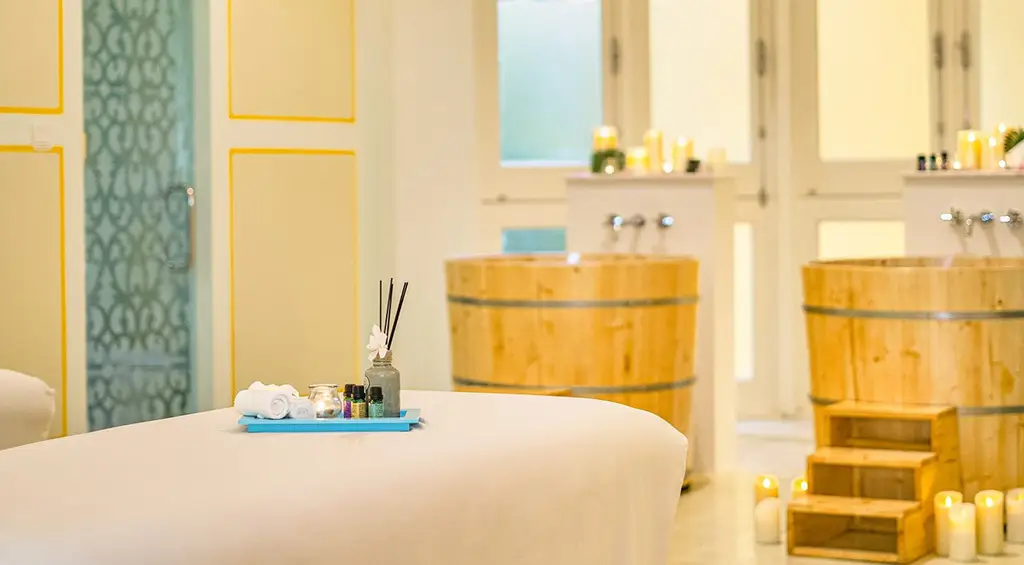
The resort features an array of dining options and an enticing bar, The Peppertree, Le Jardin, and Le Bar. Adding to the experience is the Tĩnh Wellness Spa, an organic spa haven equipped with eight treatment rooms, including four VIP rooms, each inspired by the elements of earth, water, wood, and fire. Guests can indulge in the full-spectrum infrared sauna, Vietnamese Red Dao therapy, steam room, traditional Swedish sauna, hydrotherapy, salt-water pool, yoga shala, and fitness center.
La Veranda offers unforgettable romantic experiences, making it the perfect backdrop for a leisurely beach holiday, a romantic escape, a spa retreat, Vietnamese wedding, or honeymoon getaway.
[ux_image id="797"]
[title text="General Manager Mr. Jean Pierre Gerbet’s Message"]
Mr. Jean Pierre Gerbet, General Manager at La Veranda Resort Phú Quốc - MGallery, expressed his joy, " Being recognized as Asia’s Leading Boutique Resort category is a true source of pride for the entire team at La Veranda Resort Phu Quoc. I would like to thank our peers who voted and believed in us and for being fans of the experiences we create & the memorable storytelling that we weave for our guests.."
[ux_image id="7493"]
[title text="Ongoing Promotion: Experience More All-inclusive Offer"]
To celebrate this achievement, La Veranda Resort Phú Quốc - MGallery invites guests to experience the award-winning resort through Experience More: All-inclusive promotion. This limited-time promotion offers a 3-day and 2-night stay for two guests at a special price of USD 340++
Inclusions:
3 Days / 2 Nights stay in a Deluxe Garden room with Breakfast for 2
Full-board Set Menu for 2 Lunch & 2 Dinner for 2
Round-trip Airport Transfer for 2 (shared)
Complimentary Welcome Drink for 2
Complimentary WIFI
Daily Morning Yoga
Early check-in & Late check-out (subject to availability)
The promotion is valid until 31st October 2023 and is subject to availability. Terms and conditions apply.
ABOUT LA VERANDA RESORT PHU QUOC - MGALLERY
Situated along the picturesque coastline of the island, La Veranda Resort invites you into a bygone era of sophistication. Balconies and verandas provide breathtaking panoramas of an untouched beach and crystal clear waters. Enveloped by vibrant tropical gardens, each of the 74 expansive rooms pays homage to a time when existence was unhurried and more uncomplicated, exuding an air of refined charm.
mgallery.com | all.accor.com | laverandaresorts.com
For further information, please contact:
Nguyen Thuy LinhMarketing Manager – La Veranda Resort Phú Quố[email protected]
Why You Should Visit The Peppertree for French Cuisine in Phú Quốc
French cuisine has long been revered for its elegance, sophistication, and dedication to culinary excellence. From rich sauces to delicate pastries, French dining experiences are often associated with artistry and indulgence.
But what happens when this celebrated culinary tradition meets the vibrant flavours of Vietnam? At La Veranda Resort Phú Quốc, the answer awaits you at The Peppertree restaurant…
Why You Should Visit The Peppertree for French Cuisine in Phú Quốc
The Peppertree, an authentic French restaurant in Vietnam, offers a unique dining experience, blending classic French techniques with the fresh, local ingredients of Vietnam. This fusion creates a symphony of flavours that is both familiar and exciting, offering a truly memorable culinary journey.
Whether you're a seasoned connoisseur of French cuisine, or you’re simply looking to explore new tastes, The Peppertree promises an unforgettable dining experience.
The relationship between French and Vietnamese cuisine is a fascinating one, born from a period of French colonial influence. This historical connection has resulted in a delicious culinary fusion, where French techniques and Vietnamese ingredients intertwine to create dishes that are both sophisticated and comforting.
At The Peppertree, this culinary heritage is celebrated and elevated, offering guests a taste of this masterful fusion…
Elegant Dining Ambiance: The Perfect Setting for Memorable Meals
The Peppertree provides an elegant and refined atmosphere, perfect for a romantic dinner, a special occasion, or simply a memorable meal.
The restaurant's design is inspired by a traditional Vietnamese stilt house, offering stunning ocean views and a sense of tranquillity.
The combination of exquisite food, impeccable service, and breath-taking scenery makes The Peppertree the finest destination for French dining in Vietnam.
Imagine savouring delectable French cuisine in Phú Quốc while overlooking the turquoise waters of the Gulf of Thailand. The gentle sea breeze, the sound of the waves, and the vibrant colours of the sunset create an ambience that is both relaxing and enchanting. This is the magic of The Peppertree, where every detail is designed to enhance your dining experience…
A Taste of French and Vietnamese-Inspired Dishes
The Peppertree's menu is a testament to the culinary creativity of its chefs. A wide selection of classic French dishes have been given a unique Vietnamese twist. From fresh seafood platters, to succulent meat dishes, every item on the menu at our French restaurant in Phú Quốc is crafted with precision and passion.
For a taste of the sea, try the Ca Hong Nuong (Whole Red Snapper grilled in Banana Leaf Papillote with Lemongrass) or the Tom Xao Sot Me (Pan Fried King Prawns tossed in a Tamarind & Phú Quốc Honey Sauce).
If you prefer meat, the Bo Luc Lac (Australian Wagyu Rump stir-fried with Tomato, Cucumber, Bell Pepper and Onion) or the Cha Gio Chien (Deep Fried Pork, Jicama and Mushroom Rice Paper Rolls, Herb Salad, Sweet and Sour Fish Sauce) are excellent choices.
As for dessert, the Riz Au Coco (Rich Coconut Rice Pudding, Fresh Mango, Coconut Meringue, Mango Sorbet) or Bombe Nougat Glace (Frozen Nougat Mousse with Candied & Semi-Dry Tropical Fruit, Cashew & Almond Nougatine, Meringue, Dark Rum) both offer a sweet and satisfying end to your meal.
Breakfast and Dinner: What to Expect at The Peppertree
The Peppertree is open for both breakfast and dinner, offering a diverse culinary experience throughout the day.
Breakfast (6:30am – 10:30am weekdays, 6:30am – 11:00am weekends): Start your day with a delicious breakfast spread featuring both continental and Vietnamese options. Enjoy freshly baked pastries, tropical fruits, and made-to-order egg dishes while taking in the morning ocean views.
Dinner (6:00pm – 10:00pm): In the evening, The Peppertree transforms into an elegant dining destination. The menu showcases the best of French and Vietnamese-inspired cuisine, offering a culinary journey that will tantalise your taste buds.
An Award-Winning Culinary Team
The Peppertree is proud to have a talented team of chefs, led by our celebrity master chef. With years of experience in top kitchens around the world, our chefs bring a wealth of knowledge and expertise to every dish. Their passion for culinary excellence is evident in the exquisite flavours and presentation of the food.
You can learn more about our culinary team and their dedication to crafting exceptional French cuisine in Phú Quốc on our website.
Making the Most of Your Visit: Tips for Dining at The Peppertree
To ensure you have the best possible experience at The Peppertree, we recommend making a reservation in advance, especially during peak season. This will guarantee you a table and allow you to fully enjoy your dining experience without any worries.
When planning your visit, consider the time of day. For the best views, dinnertime offers a spectacular sunset backdrop. However, breakfast at The Peppertree is also a delightful experience, offering a tranquil start to your day.
No matter when you choose to visit, The Peppertree promises an unforgettable culinary journey. With its exquisite French cuisine, elegant ambience, and stunning ocean views, it's a must-visit French restaurant in Phú Quốc.
Book your table today and experience the magic of The Peppertree for yourself!


Find Out More
How to go to Phu Quoc
La Veranda Resort Phú Quốc – MGallery Wins ‘Asia’s Leading Boutique Resort
Why You Should Visit The Peppertree for French Cuisine in Phú Quốc