Island Escapes on a Budget: Unveiling the Best Phu Quoc Deals and Discounts
When we daydream of our perfect paradise island escape, we are often abruptly halted by thoughts of the cost or other implications standing in our way. However, we are here to tell you that these daydreams are far more within your grasp than you may think. If you want absolute luxury in a private and tranquil location steeped in history, you need to see what Vietnam hotel deals are available in Phu Quoc. At La Veranda, we have a selection of Phu Quoc vacation offers that promise to provide our guests with everything they need to create their dream getaway.
Unbeatable Phu Quoc Deals.
One of the most wonderful things about the deals you come across at luxurious Phu Quoc resorts is that you will never compromise the quality, opulence, and blissfulness of your dream island escape. Our special offers are tailored to accommodate everyone who wants to bask in the tranquillity of this incredible island. From wellness and gastronomy packages to unbelievable deals on private beachfront villas, you are sure to find exactly what you are looking for at our resort in Vietnam.
The Best Time to Find Phu Quoc Hotel Deals
If you’re looking for the best possible Phu Quoc hotel deals, you can sometimes find offers that seem too good to believe by being mindful of the time you choose to visit. Phu Quoc’s high season is between December and April, but you’re highly likely to get brilliant weather either side of these months, too. If you’re looking for fantastic Phu Quocvacation offers, feel free to chat with the team at La Veranda to find the perfect one for you.
Finding the Perfect Phu Quoc Resort
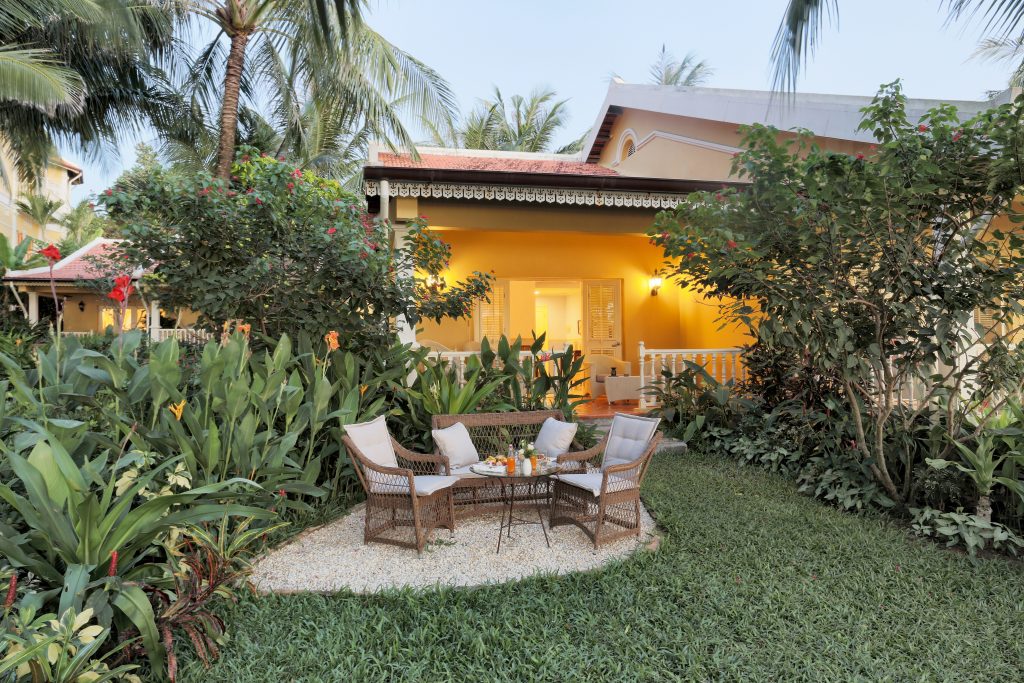
Phu Quoc is home to many resorts, so it is imperative to know you’re booking the right one for you. La Veranda offers a wide range of suites and villas, either nestled within the serenity of our diverse gardens or perched on the oceanfront for the most captivating sea views. We also have several restaurants and bars situated on the grounds of our 1920s French colonial-inspired mansion. To top it off, we have a wellness centre that allows our guests to truly unwind. Our Phu Quoc hotel deals are guaranteed to have a package for everyone.
Affordable Activities in Phu Quoc for Travelers on a Budget
Phu Quoc is quite possibly one of the most beautiful islands in the Thai Gulf, and what adds to its magnificence is its tremendous size. This glorious island boasts an enormous selection of activities, so you will never be stuck for something to do. We are home to the world’s longest cable car and an awe-inspiring European-style town in the south where you can enjoy a day of diving and snorkelling. In the north of the island, we have beautiful beaches, seaside towns, theme parks, museums, and markets. If you’re looking for the perfect day out, there are some incredible Phu Quoc travel offers that can make every day of your vacation a day to remember.
Savouring Phu Quoc’s Culinary Delights Affordably
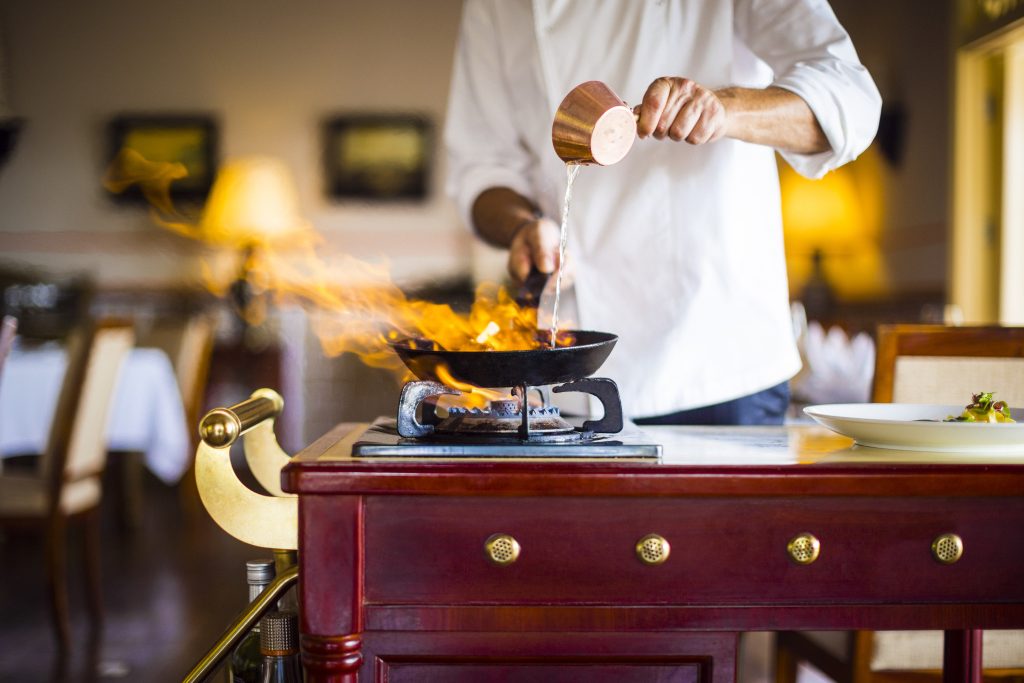
If you want to experience the unique and delicious cuisine of Phu Quoc, you will be spoiled for choice. Endless bars and restaurants are dotted around Duong Dong and Truong Beach. Here, you will have a chance to enjoy some of Phu Quoc’s classics, such as bún quậy and grilled sea-urchin. Or, if you’re looking for a relaxing night at your resort, La Veranda has multiple deals, such as our gourmet Xin Chao or gastronomy package. You will be spoiled for choice in our bars and restaurants when you experience our PhuQuoc vacation offers.
Phu Quoc Hotel Deals for Groups and Families
If you are looking for Vietnam hotel deals to accommodate a group or family, Phu Quoc has you covered. At La Veranda, we have some fantastic comprehensive packages that are fit for all parties. Have a browse through our holiday saver or festive season deals that offer the perfect blend of culinary delights, luxurious rooms, spa treatments, and free drinks.
Why Choose La Veranda for Your Unforgettable Vacation
La Veranda offers the perfect mixture of beautiful luxurious rooms and villas in a selection of private paradise locations throughout our Phu Quoc resort. Our onsite bars and restaurants provide the perfect atmosphere, whether you’re on a romantic getaway or a family vacation. We have what you need to create some of the most blissful and meaningful memories of your life.
Array
Find Out More
Phu Quoc Island Highlights
Other than spending gloriously long days on some of Vietnam’s best beaches, Phu Quoc’s interior also has much to be discovered…
A Walk in the Park
Established in 2001, Phu Quoc’s National Park was declared a UNESCO Biosphere Reserve in 2006 for its diverse collection of flora and fauna, including 208 animal species ranging from mammals (lorises, macaques and langurs) and birds (including hornbills) to reptiles and amphibians. To explore the park located mainly in the northern half of the island, it’s best to have some experience on a motorbike, as paths are often just loose soil and sand. Nature lovers will enjoy taking walks available along marked park trails for a more up-close view of the forest and occasional glimpses of wildlife, especially towards the village of Ganh Dau. Bring water and a hat and expect little signage and sparsely maintained trails along the way.
Phu Quoc Specialties
As the Champagne region is to France, Phu Quoc produces some of Vietnam’s finest fish sauce, a pungent liquid extracted from fermented, salted fish and the must-have ingredient that finds its way into almost every Vietnamese dish. Phu Quoc fish sauce is world-renowned for its premium quality, thanks to the abundant seaweed and plankton around the island that feeds the anchovies needed for the dark golden colored sauce. In fact, fish sauce made elsewhere often falsely uses the Phu Quoc brand! Phu Quoc attractions include visiting a fish sauce factory where you’ll find larger-than-life wooden vats up to 4 meters high containing up to 13 tons of deliciously pungent fish sauce. You may want to buy a genuine bottle as a souvenir, but keep it wrapped well as the very smelly sauce is literally the last thing you want to break in your suitcase.
Phu Quoc is equally well-known for its premium peppercorns, producing more than 1,000 tons per year. Especially towards the center and north of the island, visitors are likely to come across large swaths of land covering a total of 400 ha dedicated to this crop, known for its heat, pungency and strong aroma which comes from using only organic fertilizers and drying the peppercorns individually in the sun, thereby retaining their essential oils and natural flavors. It’s so delicious, you’ll often find Phu Quoc pepper fresh, still on the stalk, in stir-fries and other Viet dishes. If you’re careful, farmers will usually not mind visitors taking a look at the plants which are harvested by hand between February and July. In other months of the year, you can still tour the plantations to see the leafy green plants.
A Dream Wedding in Vietnam: Why La Veranda is the Perfect Destination for Your Big Day
Imagine exchanging vows on a pristine beach in paradise, the gentle waves whispering blessings as you embark on your journey of lifelong commitment. Picture a celebration infused with the vibrant colours and rich traditions of Vietnam, creating an unforgettable experience for you and your loved ones…
At La Veranda Resort in Phú Quốc, we transform dream weddings in Vietnam into reality. Nestled amidst lush tropical gardens and overlooking the turquoise waters of the Gulf of Thailand, our resort offers an idyllic setting for your special day. With our dedicated team of wedding planners, bespoke services, and exquisite venues, we'll ensure your Vietnam wedding is as unique and unforgettable as your love story.
Why Vietnam is an Exceptional Wedding Destination
Vietnam, with its captivating blend of natural beauty, cultural richness, and warm hospitality, is an enchanting destination for romantic weddings. If you would like to spend your wedding day in paradise with all of your favourite people surrounding you, Vietnam is the place! Here’s why:
Scenic Landscapes: From pristine beaches and verdant rice paddies, to majestic mountains and bustling cities, Vietnam offers a diverse range of backdrops for your dream wedding.
Cultural Charm: Embrace the rich traditions and customs of Vietnam, adding a touch of authenticity and uniqueness to your celebration.
Warm Hospitality: Experience the genuine warmth and hospitality of the Vietnamese people, ensuring a welcoming and memorable experience for you and your guests.
Gastronomic Delights: Tantalise your taste buds with the vibrant flavours of Vietnamese cuisine at La Veranda’s restaurants, from fragrant pho and fresh spring rolls, to aromatic curries and delectable seafood.
Affordable Luxury: Enjoy world-class amenities and services at a fraction of the cost compared to other popular wedding destinations.
The Ultimate Beachfront Venue for Intimate Weddings at La Veranda
Our villa resort in Phú Quốc offers the perfect setting for an intimate beachfront wedding.
Exchange vows on the soft sands, surrounded by the soothing sounds of the ocean and the gentle breeze. Our dedicated team will transform the beach into a magical haven, with elegant décor, personalised touches, and an impeccable service.
Imagine:
A flower-adorned archway framing your silhouette against the setting sun.
The soft sand cushioning your feet as you exchange vows.
The gentle sea breeze carrying your promises of forever.
A candlelit reception under the stars, with the sound of waves serenading your celebration.
Customisable Vietnam Wedding Packages for Every Couple
We understand that every love story is unique. That's why we offer a range of customisable Vietnam wedding packages to suit your individual preferences and needs.
Whether you envision a traditional Vietnamese ceremony, a Western-style celebration, or a fusion of both, our team will work closely with you to create a bespoke experience that reflects your vision.
Stress-Free Planning with Professional Coordination
Planning a wedding, especially a destination wedding in Vietnam, can be a daunting task.
At La Veranda, we take the stress out of the process with our dedicated wedding planning team. Our experienced coordinators will handle every detail, from venue selection and décor, to catering and entertainment, ensuring a seamless and unforgettable celebration.
Relax and enjoy your special day, knowing that every aspect is in expert hands.
Blending Local Culture with Personal Touches
At La Veranda, we believe in creating weddings that are both unique and authentic. We encourage couples to incorporate elements of Vietnamese culture and traditions into their celebrations, adding a touch of local charm and creating a truly memorable experience.
Whether it's a traditional tea ceremony, a vibrant Ao Dai dress, or a performance of traditional Vietnamese music, we'll help you weave cultural elements into your wedding, creating a beautiful fusion of heritage and personal style.
Plan Your Perfect Wedding at La Veranda Resort
Embrace the romance and enchantment of a destination wedding in Vietnam. Contact La Veranda Resort today to begin planning your dream Vietnam wedding. Our team is ready to assist you in creating a celebration that effortlessly tells your unique love story.
Experience the magic of Phú Quốc island, where natural beauty, cultural richness, and exceptional hospitality converge to create an unforgettable, romantic wedding experience!
Boasting idyllic beaches, pristine waters, evergreen forests, romantic sunsets, and a peaceful ambiance, Phu Quoc is indeed an ideal holiday destination for those in search of a tranquil getaway from the hurried, modern lifestyle. Situated in the far south of the country, some 45 kilometres west of Ha Tien, Phu Quoc’s northern part holds a UNESCO World Heritage Site status, which allows it to be relatively untouched. However, you can also find a plethora of charming cafes, lively bars, and luxury resorts. Traditional fishing villages also dot the map, as are pristine beaches that offer visitors a unique opportunity to lay eyes on exquisite sea views. Between Buddhist pagodas, mighty temples, karst limestone formations inviting you to explore verdant mountaintops, and a dining scene that can cater to all budgets lies a wonderful world. Explore this paradisiac island with the following map tips.
The Phu Quoc National Park
More than half the island’s land is a park and contains impressive landscapes and various forest types, including rocky mountains, sparsely forested areas, wetlands, mangroves, and coastal vegetation. The rainforest occupies the majority of north Phu Quoc and is home to more than 200 animal species, including mammals, birds, reptiles, amphibians, some rare species, such as the hornbill, silver langur, long-tailored macaque, and lorises, and species of globally endangered animals. The Ong Thay Mountain, Da Dan Stream, and Duong Dong Lake are all sights nearby worth visiting. Almost any drive to the north of the island will lead you through the National Park.
Pepper Farms
Phu Quoc is notorious for its fine-quality black peppers that are exported to the corners of the earth. Brought many centuries ago by the Chinese, peppers now contribute to the country’s output of up to 60% of the global pepper supply. You will find many pepper farms across the island, one being very close to the southern edge of the National Park, and you may have the chance to engage in a conversation with a local about how this succulent plant is grown and, why not, taste some right on the farm! Without a doubt, peppers have a leading role in Vietnamese cuisine, creating delicious dishes.
Phu Quoc Safari Park
Officially known as Vinpearl Safari Park, it is located on the north-west side of Phu Quoc and is the country’s first safari park built in 2015. The 380-hectare land hosts more than 2,000 animals, including rare species from all over the world, such as black/white ruffed lemurs and addax antelopes, as well as around 540 species of wildlife. The park is divided into several different areas, including the Night Safari, the Wild Africa, and the South America-Amazon. Nearby is also the Vinpearl Water park, with plenty of water slides, manmade beaches, arcade games, and many more for ideal family fun.
Phu Quoc Fish Sauce Factories
Besides scenic spots, Phu Quoc Island is also famous for its sea specialties, among which is the Phu Quoc fish sauce made from fermented, rich-in-protein anchovies. The island is home to more than 100 factories producing fish sauce, with the largest of the island’s fish-sauce maker being the distillery of Nuoc Mam Hung Thanh, just a short walk from the Duong Dong market. The second largest distilleries are found at An Thoi.
At first glance, the giant crates give the impression that you have signed up for a wine tasting adventure but once you allow the festering nuoc mam essence kick in, you realise this is nowhere near a wine factory! What has made the local fish sauce so extraordinary is the nurturing waters around Phu Quoc, which retain a significant number of plankton and algae (anchovies’ best food). Also, the sea here contains several different categories of anchovy, which makes the sauce even tastier. The island produces hundreds and thousands of litres of fish sauce every year using only traditional methods as they have been passed from generation to generation.
Let’s also note that the island’s Mam (sauce) quality is so high that the manufacturers here fought a persistent and lengthy legal battle to protect the name “Phu Quoc Fish Sauce”, which they eventually won.
Coconut Prison & War Memorial
Located in An Thoi village, Coconut Prison (Nha Lao Cay Dua), also known as Phu Quoc Prison, was initially used to keep prisoners during the Indochina War. At that time, it is believed to have held over 14,000 inmates. But, after the war, the Geneva Accords enabled them to return to their families. The prison was re-used when the Vietnam War broke loose and the US troops rebuilt it into a new jail. They designed separate areas for the elder, the men, and the women and also added a new section in 1966 to incarcerate the increasing number of Vietnamese soldiers that had to be held in captivity. So, from a total of 4 parts, according to original plans, Coconut Prison ended up having 12 main areas, each guarded with strong army force. During those dark times, the convicts suffered horrendous atrocities and tortures. The prison is now the living evidence of the most brutal face of war.
In 1996, Coconut Prison was recognized as a National Historical Heritage and is one of the most-visited sights not only on the island but also entire Vietnam with more than 10,000 visitors annually. Visiting it gives the opportunity to see exhibits, such as torture tools and the Catso Tiger Cage that used to contain prisoners while leaving them exposed to the scorching sun and the elements, and life-size mannequins depicting torture scenes and providing information about the inhuman activities that were taking place back then.
Just opposite Coconut Prison is a commemorative monument called the War Memorial, which consists of three abstract wave forms, including a human shape that has been cut out. The landmark is in memory of the Vietnamese patriots that have lost their lives defending the country during the numerous wars the nation has been involved with over the years.
Bee Farms
Bee farms in Phu Quoc are popular eco-tourism destinations that also serve as educational facilities for those that wish to learn more about life-cycle, honeybee conservation, and the significance of bees to the environment, among others. On the island, there are two honey bee farms that tourists can visit, and come with no entrance fee. The first bee farm is located north of the island’s International Airport, which also hosts a fruit farm with rambutan fruit trees and more, while the other is in the Cua Can region. To experience everything this attraction has to offer, you will need a bit less than an hour.
Sim Wine Factory
Sim Wine or Rose Myrtle Wine or Ruou Sim is a type of wine with a 7.5% alcohol content and a flowery scent and a woody taste that is made with a local fruit from the Rose Myrtle Tree that grows wildly on Phu Quoc Island. Its origins are believed to be tied with the central highland’s ethnic minority groups, and is a popular drink among locals, who always drink a glass of Sim Wine when they eat seafood. Many people drink it for its alleged healing properties as it appears to aid in the reduction of joint pains, the relief of digestive problems, and to combat fatigue. However, there is no medical evidence yet.
The Nguyen Trung Truc Temple
Nguyen Trung Truc Temple is found in the Kien Giang province and occupies a tranquil spot opposite the river. In the total of 9 temples on the island that worship Nguyen Trung Truc, a Vietnamese legend, it is the largest one, surrounded by green Bodhi trees and verdant land. The temple was inaugurated in 1970, seven years after it had been built, and has a sanctum featuring a stone incense burner and a 3-gate entrance as a means to retain the appearance of Tam shape. The roof is adorned with the motifs of two imposing dragons with pearl embellishments while you may also find cement-made relics with colourful pottery shards and artifacts, memorabilia, and trophies of the famed victories of Nguyen Trung Truc. Due to its impressive design, the Nguyen Trung Truc Temple is considered one of the most attractive tourist destinations in Phu Quoc, recognised as National Cultural Historical Relic in 1989.
If you happen to be around during the festivities that often take place here, you will notice people from every religion and ethnicity having fun and integrating into a spiritual atmosphere.
Dinh Cau Temple
Also known as Dinh Cau Castle, Dinh Cau Shrine, Dinh Cao Rock and several more, Dinh Cao Temple is one of the most-visited sight-seeing attractions on Phu Quoc. Situated at the mouth of Duong Dong River, it actually is an odd-shaped rock formation that served as both a place of worship and a lighthouse. That particularity is what makes it so special. The temple was built in 1937 to honour the goddess of the sea, Mazu or Thien Hau. Ever since, fishermen and locals come to the temple to light incense sticks and pray for calm seas and safe journeys before they set out to the sea. Every year, around mid-October, there is a festival with hundreds of attendees, who climb the 29 winding stone steps to reach the shrine at the top of the temple while praying along the way. If you go with them and make it to the top, a beautiful terrace will reward you with heart-stopping panoramas of the sea, the port, and Duong Dong Town.
Ho Quoc Pagoda
Ho Quoc Pagoda is located on a high mountain in the southern area of Phu Quoc and was opened in 2012. It impresses with its ancient architecture characterised by wooden doors, high thresholds, and wall tile and houses several Buddha statues, a giant bell, and a magnificent statue of the Goodness of Mercy. It is an excellent spot to watch the sunrise, take in unspoiled scenery, and see macaques that live in the lush mountains behind it.
Phu Quoc Nightlife
From tourists and locals looking for a fun night out to expats, Phu Quoc’s vibrant night scene is more than interesting. Don’t expect the vibrancy of the big cities of mainland Vietnam, though. People who come here prefer more laid-back experiences after sunset. However, you will be pleased with the many beachfront bars, nightclubs, late-night restaurants, and wine lounges available on the island offering a relaxed ambience, stylish interiors, and a wide range of strong cocktails. Be prepared for facilities hosting guest DJs from Europe and Vietnam, full-moon parties, dance performances, bonfires, even a night market (Dinh Cau market in Duong Dong) and many more.
Some of the most favoured spots include the stylish Itaca Resto Lounge offering affluent dining, the quintessential Rory’s Beach Bar, the Coco Bar with the delicious homemade rums, the Lion Garden Beer Club, the island’s largest nightclub, the Paradiso Beach Club with mind-blowing sea views, and the Le Bar, La Veranda luxury resort’s elegant lounge bar with sweeping ocean panoramas and a charming colonial-style décor.
An Thoi Port
An Thoi is the busiest port on Phu Quoc located on the southern tip of the island. From there, many tourists visit the complex of 15 islets and reefs nearby and enjoy activities such as swimming and snorkelling while indulging in magnificent views that stretch all the way to Coconut beach. An Thoi is a much-photographed Phu Quoc sight that many travellers prefer to visit at sunset for the idyllic vistas.
The Beaches
Phu Quoc is home to dozens of excellent beaches, each mesmerising with crystalline waters, sandy shores, spellbinding views, and an utterly enchanting underwater world to explore. Considering that the island is currently in a state of transformation, chances are you will find a wide range of luxury accommodation options near the beaches. Nevertheless, there is something for every desire. If you want untouched and quiet sandy spots, head to the northeast coast, where beaches like Thom Beach and Bon Beach lie. For more touristy and developed shores, visit the south-west and the likes of Long Beach. Other beaches worth a visit are Rach Tram Beach, Ganh Dau Beach, Rach Vem Beach, Cua Can, Vong Beach, Sao Beach, Khem Beach, and Ong Lang.
Note: An equally scenic setting is provided at Hon Gam Ghi island in the Kien Giang province and the 17 small islands it consists of. Surrounded by coral, it is a superb place to swim, enjoy the sun, dive or snorkel.
Accommodation in Phu Quoc
From luxury hotels and elegant colonial-style resorts to homestays, bungalows, and hostels, Phu Quoc has it all. Regardless of your budget, chances are you will find accommodation here quite affordable, even if that means you spend your holidays at a deluxe hotel. Given that the island’s transformation started only a few years ago, around 2015, everything is new, modern and fresh, lacking nothing of the 5-star amenities offered globally. You can expect meals prepared by award-winning chefs, upscale al fresco dining experiences, and exquisite spa treatments, including luxurious oil massages and traditional Vietnamese cupping that rejuvenate the mind, body, and soul, to name a few, which can be enjoyed at stylish resorts like La Veranda.
Find Out More
Phu Quoc Island Highlights
A Dream Wedding in Vietnam: Why La Veranda is the Perfect Destination for Your Big Day
Phu Quoc island map