Escape to a world of unparalleled tranquillity and rejuvenation at TĨNH Wellness Sanctuary, a luxury resort & spa nestled within the lush tropical paradise of La Veranda Resort, Phu Quoc.This haven of peace offers a truly immersive wellness experience, where you can reconnect with your inner self and embrace the healing power of nature.With its spacious design, serene atmosphere, and a diverse range of holistic treatments, TĨNH wellness retreat in Phu Quoc provides the perfect setting to unwind, de-stress, and rediscover your well-being.Whether you’re seeking a detox retreat, a revitalising luxury resort spa escape, or simply a tranquil space to recharge, TĨNH promises an unforgettable journey to wellness…
Four Foundations of Wellness
At TĨNH luxury resort & spa, wellness is more than just a collection of treatments; it’s a holistic philosophy that guides every aspect of your experience.Drawing inspiration from ancient wisdom and modern practices, TĨNH has createda unique approach to wellness that focuses on the following four key foundations:
Holistic Approach
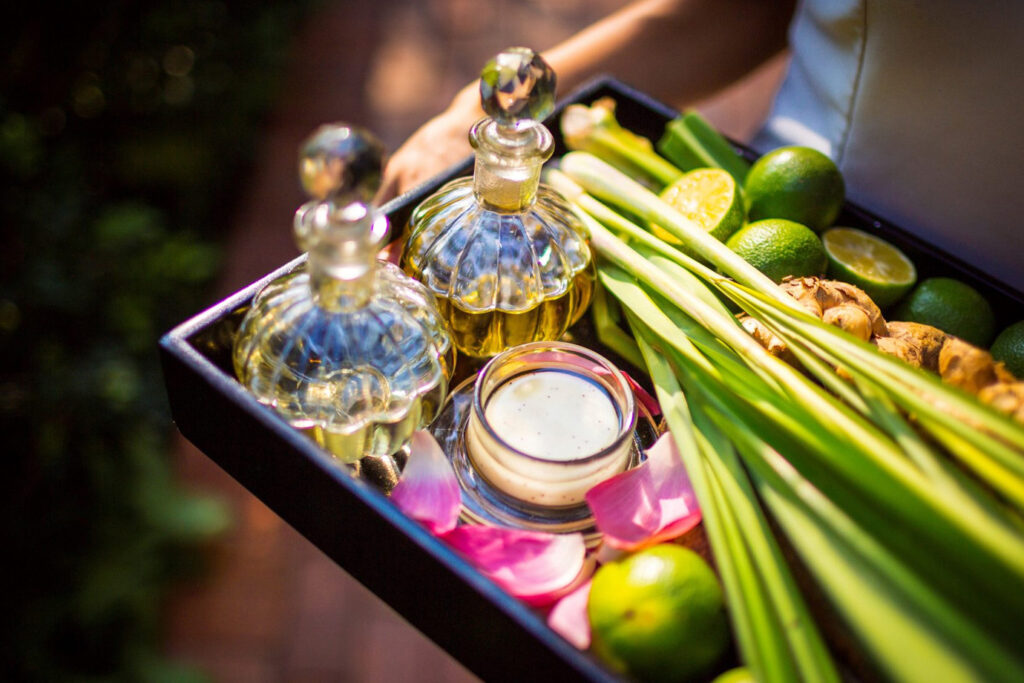
TĨNH believes in treating the whole person – mind, body, and spirit. Their wellness programmes combine traditional therapies with modern techniques to create a truly holistic experience.From soothing massages and invigorating body scrubs, to mindfulness practices and healthy cuisine, every element is carefully curated to promote balance and harmony.
Luxurious Wellness Rooms
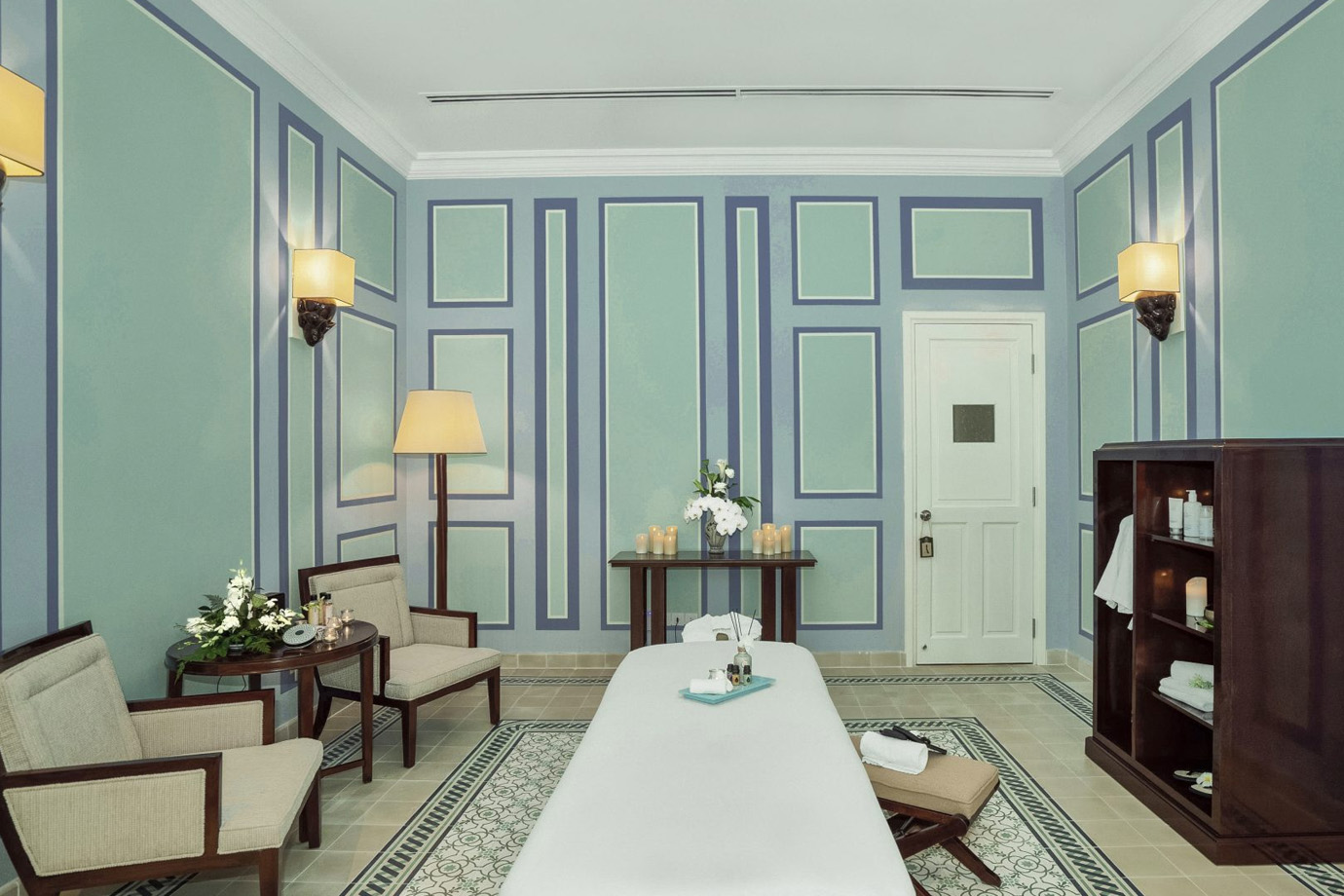
Step into a world of serenity in TĨNH’s beautifully appointed wellness rooms. Designed with your comfort in mind, these tranquil spaces offer a haven of relaxation.Each room is equipped with luxurious amenities and features calming décor to enhance your experience.
Reconnect with Nature
Embrace the healing power of nature at TĨNH luxury spa hotel. The sanctuary is designed to seamlessly blend with its natural surroundings, allowing you to reconnect with the outdoors.Enjoy detox yoga sessions on the beach, meditate in the tranquil gardens, or simply soak up the beauty of the tropical landscape.
Transformative Wellness
TĨNH’s wellness offerings are designed to be more than just pampering; they’re transformative experiences that can have a lasting impact on your well-being.Whether you’re seeking to de-stress, detoxify, or simply revitalise your body and mind, TĨNH’s expert therapists will guide you on a personalised journey to wellness.
Six Transformative Journeys to Wellness
TĨNH luxury resort & spa offers six unique wellness journeys, each tailored to address specific needs and goals. These journeys combine a variety of treatments and activities to create a holistic and transformative experience…
Back to Wellness
This journey focuses on restoring balance and harmony to your body and mind. It includes a combination of massages, body scrubs, and mindfulness practices to help you successfully de-stress and reconnect with your inner self.
Detox
Purify your body and revitalise your system with this detoxifying journey. It combines cleansing treatments, healthy cuisine, and fitness activities like detox yoga to eliminate toxins and boost your energy levels.
Burnout Recovery
If you’re feeling overwhelmed and exhausted, this journey is designed to help you recover from burnout. It includes relaxing massages, stress-reducing therapies, and mindfulness practices to restore your energy and promote emotional well-being.
Relief from Tension
Release tension and soothe aching muscles with this therapeutic journey. It combines targeted massages, stretching exercises, and hydrotherapy treatments to alleviate pain and promote relaxation.
Spa Indulgence
Indulge in a luxurious spa hotel experience with this pampering journey. It includes a selection of TĨNH’s signature treatments, such as facials, body wraps, and aromatherapy massages, to leave you feeling refreshed and rejuvenated.
Beauty & Vitality
Enhance your natural beauty and boost your vitality with this rejuvenating journey. It combines beauty treatments, such as facials and body scrubs, with wellness therapies to promote radiant skin and improve your overall well-being.
Planning Your Spa Experience
Scheduling and Appointments
To ensure that you have the best possible experience at TĨNH’s luxury resort & spa, it’s recommended that you book your treatments in advance.You can easilymake appointments via our website, by phone, or through the resort’s concierge service.
Spa Etiquette and Considerations
We kindly ask that when using our spa, that you refrain from talking loudly or using your mobile phone. These rules are designed to enrich your spa experience – as well as others’.To make the most of your spa experience, you can familiarise yourself with the spa etiquette guidelines inour Spa Menu. These guidelines cover a number of aspects such as arrival time, our cancellations policy, recommended attire, and certain health concerns to be aware of.Experience the ultimate in luxury and wellness at TĨNHluxury resort & spa.Follow the link for more information about La Veranda Resort and to explore our range of luxurious accommodations, including our stunning5-star hotels on Phu Quoc Island.Book your escape today and embark on a transformative journey to relaxation and rejuvenation!
Array
Find Out More
Things to do in Phu Quoc
In addition to the pretty Phu Quoc beaches, a wonderful combination of history, culture, and nature await on the island of Phu Quoc.
History buffs will enjoy visiting the French-built “Coconut Prison” in the south of the island, near the port of An Thoi, which also housed political prisoners of the South Vietnamese government in the 1960s and 1970s. Several structures have been rebuilt including jail cells, a kitchen, watchtower and escape tunnel. There is also a gallery on-site with original artifacts and graphic recreations of prison life.
Nature lovers will want to head south along Long Beach to visit the Pearl Museum and various pearl farms to see how oysters are seeded with pearls and turned into exquisite jewelry or stroll through the many pepper plantations to see one of the island’s most famous products. North of the island is the expansive Phu Quoc National Park, ideal for leisurely hikes and walks.
On the water, Phu Quoc snorkeling, diving, kayaking and island hopping tours are easily booked through your hotel or local travel agencies. Cheap day trips combining bus transport to the port of An Thoi in the island’s south with boat trips for snorkeling, lunch, a visit to a pearl farm and picturesque Bai Sao (Star Beach) which many consider the best beach in Phu Quoc, are especially popular. More exclusive boat trips can be arranged, visiting some of the pristine islands in the An Thoi archipelago to the south or the remote islands to the north, along with fishing, snorkeling and picnics on the beach. Diving in Phu Quoc is also good during the dry season.
To get off the beaten path, visitors can head up to the island’s north shore and visit the sleepy fishing village of Ganh Dau where racks of silvery fish can be seen drying in the sun while the womenfolk mend fishing nets. You can also arrange to see other Phu Quoc specialties including a small factory that makes sim wine from the fruit of the rose myrtle tree, or a camp for Phu Quoc Ridgeback dogs, native to the island, where they are trained to race and climb fences.
Why Choosing the Right Phu Quoc Resort Enhances Your Island Getaway
Your choice of Phu Quoc resort isn't a mere logistical detail to iron out, it's the key to unlocking everything the island has to offer. It's the difference between a predictable holiday with run of the mill moments, or a genuinely unforgettable experience topped off with unparalleled luxury.
In other words, do you want ‘nice’ or life-affirming? It’s up to you…
You see, the best resorts in Phu Quoc should set the stage for your tropical island adventure, offering the following, non-negotiables:
Seamless Experiences: Effortless check-in, personalised itineraries, and friendly staff anticipating your every need.
Immersive Indulgence: World-class spas, exquisite dining, and private plunge pools offering genuine relaxation.
Gateway to Discovery: Prime locations putting you in close proximity to Phu Quoc’s natural wonders and vibrant culture.
In this blog post, we’re going to tell you everything you need to know about choosing luxury resorts in Phu Quoc – and what you can expect when you accept nothing less than the best…
What Defines a 5-Star Phu Quoc Resort Experience?
Beyond the star rating, what truly sets the best 5 star hotels in Phu Quoc Island apart? It's the commitment to exceeding expectations at every turn. It's about the confluence of tangible luxury and intangible magic:
Uncompromising Service: Personalised attention from highly trained staff who are dedicated to making your stay at their resort truly flawless.
Impeccable Design: Elegant aesthetics blending seamlessly with the irrefutable natural beauty of the island.
Culinary Excellence: Award-winning restaurants offering a symphony of flavours, using locally sourced ingredients thrown together by world-class chefs.
Privacy and Exclusivity: Secluded villas, private beaches, and intimate settings for the ultimate in relaxation.
These elements cater to discerning travellers who seek more than just a place to stay; but an earth-shattering experience that resonates with their appreciation for the finer things in life.
The Allure of All-Inclusive: A Stress-Free Phu Quoc Escape
Treat yourself to a vacation where every detail is taken care of; where you can truly switch off from the world and immerse yourself in the moment. That's the promise of an all-inclusive resort in Phu Quoc. The benefits are compelling indeed:
Complete Transparency: One upfront price covering meals, drinks, activities, and accommodation.
Effortless Relaxation: No need to worry about budgets, bills, or hidden costs.
Maximum Convenience: Everything is on hand, allowing you to focus on enjoying your holiday.
Exceptional Value: Premium amenities and experiences bundled together in a single, affordable package.
Choosing an all-inclusive option allows you to savour the luxury without any of the planning stresses, making for a truly restorative experience.
Family-Friendly Resorts in Phu Quoc: Perfect for Tiny Travellers
Travelling with family shouldn’t mean compromising on luxury. Look for resorts that offer:
Dedicated Kid's Clubs: Engaging activities and supervised care for children of all ages.
Spacious Accommodation: Family suites and villas designed for comfort and privacy.
Safe and Accessible Beaches: Gentle waters and vigilant lifeguards for peace of mind.
Activities for All Ages: From water sports and excursions, to cooking classes and cultural experiences.
La Veranda Resort embraces this ethos, providing a luxurious haven for families while maintaining its signature elegance and sophistication.
Location is Everything: Stay Close to Phu Quoc’s Top Attractions
While a luxury resort should provide an oasis of tranquillity, it's equally important to choose a location that empowers you to explore Phu Quoc's many marvels:
Long Beach: Iconic sunsets, bustling restaurants, and a vibrant atmosphere.
Duong Dong Night Market: Immerse yourself in local culture, sample street food, and shop for souvenirs.
Phu Quoc National Park: Discover lush rainforests, hidden waterfalls, and diverse wildlife.
The best luxury 5-star Phu Quoc resorts strike the perfect balance between convenience and seclusion, allowing you to effortlessly access the island's treasures while providing you with a serene retreat to return to at the end of the day.
Are you craving world-class Phu Quoc accommodation? Explore our range of rooms and suites.
Book Your Stay at La Veranda Resort Today!
Don’t settle for standard. Choose La Veranda Resort and embark on a journey of luxury, unforgettable experiences, and moments you and your family will cherish for a lifetime.
Contact Us to start crafting your personalized island getaway and discover the true meaning of luxury in Phu Quoc!
Vietnam is a country with many different weather systems. In general terms, Vietnam has a tropical monsoon climate, with monsoon rains, warm temperatures (on average 24-34⁰C), and high humidity all year round. The weather can be divided into two main seasons: the rainy season (April to September) and the dry season (October to March). There is no ideal time to visit Vietnam as a whole, yet any time of the year might be great for some destinations.
Weather in Northern Vietnam
Weather in Halong Bay, Hanoi, Sapa, Ha Giang, Ninh Binh
There are two distinct seasons in the north: a cold weather from November to March and a warm to hot wet season from April to October. It might be extremely cold and frosty in December and January, especially in the Far North. The temperature may fall to 2⁰C, which is not comfortable for the elderly and children. There might be also dense mists, which can reduce visibility in such destinations as Sapa and Halong Bay. However, from November to March is still considered better time to visit the North. The average temperature is around 25⁰C. It is dry and suitable for both sightseeing and adventurous trips.
From April to October, it is very hot and humid. Between June and July, the temperature may be over 40⁰C in some cities. The north experiences the highest rainfall in this period, too. It may rain consecutively in a week, and the volume of rainfall may reach 600 mm per month. It is highly recommended that travelers should not have intrepid escapade to the Far North in this season, as the roads are bumpy and slippery. If you want to explore the beauty of Halong Bay, Hanoi, or Ninh Binh, but cannot stand the huge flocks of tourists at peak seasons, coming in summer might be a great choice.
Weather in Central Vietnam
Central Vietnam is a transitionary climate-wise area from the North to the South. Being shielded by the Truong Son mountain range, the rains of the southwest monsoon cannot make it to the coast. Therefore, from April to September, though the coastal areas have some rain, the rainfall is much less than other regions. On the contrary, the weather is extremely hot and dry, and the temperature may reach 45⁰C.
In contrast, from September to December, the middle part, especially Hue, Danang, and Hoi An, receive remarkably high rainfall. Central Vietnam is also affected by typhoons and storms between August and November, resulting in severe flood in some regions.
The further south areas like Nha Trang and Mui Ne are less affected by natural disasters and have much more pleasant weather with lots of sunshine and high humidity. It is the perfect weather to explore the beaches.
Weather in Southern Vietnam
This is the region which has the most pleasant weather. Between April and September, the southern part of Vietnam, especially the Mekong Delta, receives lots of rain and has hot and humid weather during the southwest monsoon. June and July are extremely wet. At this time there is a high likelihood of flood in Saigon. The roads may be covered by water. And the southernmost island of Phu Quoc may have poor weather and rough seas.
In contrast, the weather from November to March is excellent, especially in Phu Quoc. The climate is pleasant with the average temperature of 30⁰C, clear blue skies, calm sea water, lower humidity, and higher visibility.



Find Out More
Things to do in Phu Quoc
Why Choosing the Right Phu Quoc Resort Enhances Your Island Getaway
Vietnam Weather